diywholesale

Category: Home Office Lights

  • How to upgrade your productivity with the home office lights?

    How to upgrade your productivity with the home office lights?

    Table of contents: 
    • Introduction 
    • Understanding the Impact of Lighting on Productivity
    •  Natural Light vs. Artificial Light
    • Types of Home Office Lighting
    • Factors to Consider When Choosing Home Office Lights
    • Ergonomics and Lighting Placement
    • Customizing Lighting for Specific Tasks
    • Conclusion 
    Introduction 

    Effective lighting is not just about aesthetics; it’s about creating an environment that fosters focus, productivity, and well-being. Poor lighting can lead to eye strain, headaches, and reduced efficiency. By investing in the right lighting setup, you can transform your home office into a place where you feel energized and inspired to tackle your tasks.

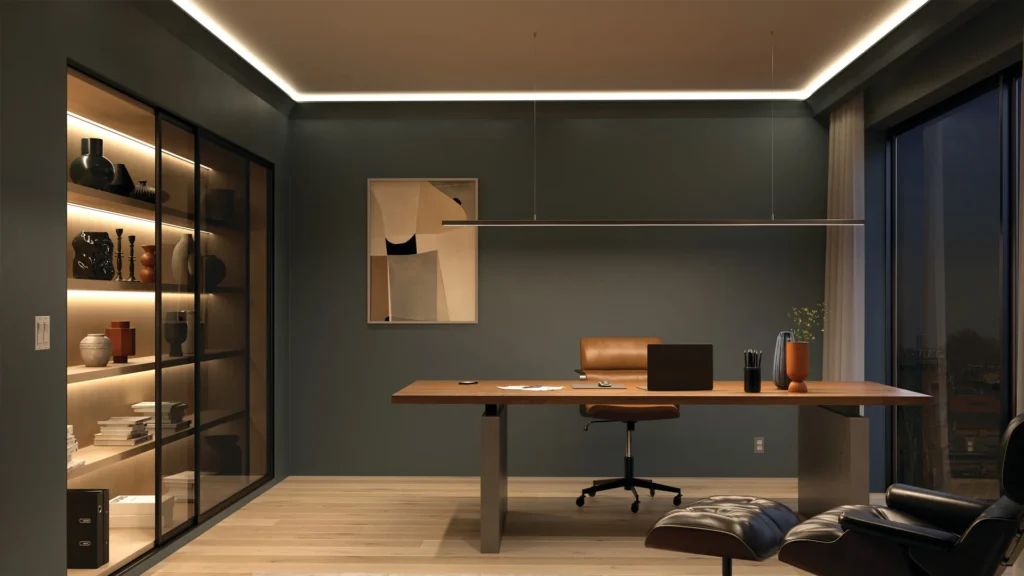
    home office lights
    Understanding the Impact of Lighting on Productivity

    The quality of lighting in your home office can have a big influence on your ability to focus and work productively. Natural light has been found to improve mood and productivity, but harsh artificial lighting may be uncomfortable and tiring. By selecting the appropriate lighting configuration, you may optimize your workstation for optimal productivity and comfort.

    Natural Light vs. Artificial Light

    Natural light is frequently regarded as the gold standard for workplace illumination due to its ability to imitate the sun’s natural patterns and provide a sense of connection to the outside. However, not all home offices receive enough natural light, necessitating the use of artificial lighting. When deciding between natural and artificial light sources, consider consistency, intensity, and color rendering to build a well-balanced lighting system.

    home office lights

    Types of Home Office Lights

    Several types of lighting fixtures are well-suited for home office use:

    • Desk Lamps: Ideal for providing focused illumination for tasks such as reading, writing, and computer work.
    • Overhead Lighting: Provides ambient lighting to illuminate the entire room evenly.
    • Floor Lamps: Can add both ambient and task lighting while also serving as a stylish addition to your workspace.
    • Task Lighting: Adjustable lighting options that allow you to customize the brightness and direction of light for specific tasks.

    Factors to Consider When Choosing Home Office Lights

    When choosing lighting fixtures for your home office, consider the following factors:

    • Wattage and Brightness: Make sure your lights give enough illumination without creating glare or discomfort.
    You can learn more about how to craft a suitable setup light  for your home office 
    • Color Temperature: Select lights with a color temperature that complements your tastes and fosters a pleasant working environment.
    • Directionality and Flexibility: Choose lights that can be readily changed to focus light where it is most required.
    • Energy Efficiency: To save money on power and lessen your environmental impact, consider investing in energy-efficient lighting.

    By prioritizing your comfort and well-being in your home office lighting setup, you can create a workspace that supports your productivity and enhances your overall work experience.

    Ergonomics and Lighting Placement

    Proper lighting placement is essential for reducing eye strain and creating a comfortable workspace. Position your lights to minimize glare and shadows, and consider incorporating adjustable lighting options to accommodate different tasks and preferences.

    You can follow this guide!

    Customizing Lighting for Specific Tasks

    Having control over your home office lighting is essential for optimizing productivity. Consider installing dimmer switches or smart lighting systems that allow you to adjust the brightness and color temperature of your lights according to your preferences and the time of day. This flexibility enables you to create the ideal lighting environment for different tasks and moods, whether you need bright, energizing light to stay focused or softer, warmer light to promote relaxation during breaks.

    Conclusion

    In conclusion, lighting is a critical aspect of creating a functional and inviting home office environment. By understanding the impact of lighting on productivity, mood, and well-being, exploring different lighting options, and investing in quality fixtures, you can create a workspace that inspires creativity, enhances focus, and promotes overall success. Whether you’re working with natural light, artificial light, or a combination of both, prioritizing proper lighting design and control can transform your home office into a haven of productivity and comfort. Experiment with different lighting solutions, customize your setup to meet your needs, and illuminate your workspace for success.

  • Crafting a Productive Workspace with Home Office Lights

    Crafting a Productive Workspace with Home Office Lights

    Table of Content
    • Introduction 
    • Understanding the Dynamics of Lighting in Remote Work
    • Choosing the Right Home Office Lights
    •  Illuminating Your Remote Work Experience
    Introduction

    In the ever-evolving landscape of remote work, the importance of curating an efficient and comfortable home office space cannot be emphasized enough.

     Among the various elements contributing to a well-designed workspace, the role of lighting stands out prominently.

    Thoughtfully chosen home office lights not only enhance the visual appeal of your workspace but also play a pivotal role in boosting productivity, focus, and overall work satisfaction.

    Understanding the Dynamics of Home Office Lights

    1- The Psychological Impact

    Scientific investigations have consistently shown that lighting has a major influence on human psyche and productivity. Natural light, in particular, has been shown to improve mood, regulate circadian cycles, and promote general well-being. In contrast, bad illumination can cause eye strain, headaches, and a decrease in job effectiveness.

    As typical office setups give way to remote work, people are free to create their own work settings. To maximize the home office for success, you must harness the power of lighting in both creative and useful ways.

    2-Balancing natural and artificial light

    Achieving the appropriate balance of natural and artificial light is critical for remote workers. Positioning your desk near a window allows you to benefit from natural sunshine, which not only provides good illumination but also promotes a healthy sleep-wake cycle. Complementing natural light with carefully positioned artificial lights ensures that the area is consistently well-lit, even on overcast days or after sunset.

    Choosing the Right Home Office Lights

    Home Office Lights
    LED Lights: Efficiency, Customization, and Aesthetics

    In the realm of home office lighting, LED lights emerge as the frontrunners for various reasons. These energy-efficient bulbs not only consume less electricity but also boast an extended lifespan compared to traditional incandescent bulbs. The versatility of LED lights extends to color temperature variations, allowing users to customize the ambiance of their workspace.

    Task Lights: Tailoring Illumination to Work Requirements

    Task lights, specifically designed to illuminate work areas without causing glare or shadows, are indispensable additions to home offices. Adjustable desk lamps with features like dimmability and color temperature control provide focused illumination, reducing eye strain and enhancing concentration.

    Considering the ergonomic aspects of your lighting setup is equally crucial. Proper positioning of the light source minimizes reflections on computer screens and alleviates potential sources of discomfort, promoting a conducive work environment.

     Illuminating Your Remote Work Experience

    1- Considering the Environment

    In the pursuit of a productive home office, it’s vital to consider the broader environment. The color temperature of lights can influence the mood and atmosphere of the space. Cooler tones might enhance focus, while warmer tones create a more relaxed ambiance. Experimenting with different lighting setups allows you to find the perfect balance that aligns with your work style.

    2- Dynamic Lighting for Dynamic Work

    Remote work often involves a variety of tasks, from focused work on spreadsheets to creative brainstorming sessions. Having dynamic lighting solutions that can adapt to different work requirements ensures a versatile and accommodating workspace. Consider investing in lighting systems with pre-set modes or the ability to switch between different intensities and color temperatures.

    Conclusion

    Creating a productive workspace goes beyond merely placing a desk and a chair in a room. It involves thoughtful consideration of every element, and lighting is a key player in this equation. By investing in the right home office lights, you not only enhance your work performance but also cultivate a conducive environment that fosters creativity and well-being.

    So, whether you go for the efficiency of LED lights or the focused illumination of task lights, remember that a well-lit workspace is a catalyst for success in the realm of remote work.

Include TaxExclude Tax