Your cart is currently empty!
Blog
-
LED Light Downlight vs Halogen: Which is Right for You?
Table of content
- Introduction
- Understanding LED Downlights
- Advantages of LED Light downlight
- The disadvantages of LED Light downlight
- Understanding Halogen Lights
- Advantages of Halogen Lights
- Disadvantages of Halogen Lights
- Comparison of LED Downlights and Halogen Lights
- Considerations When Choosing Between LED Downlights and Halogen Lights
- Conclusion
Introduction
When it comes to illuminating your space, choosing the right lighting is crucial. LED light downlight and halogen lights are two popular options, each with its own set of advantages and disadvantages. Understanding the differences between them can help you make an informed decision that suits your needs and preferences.
Understanding LED Light Downlight
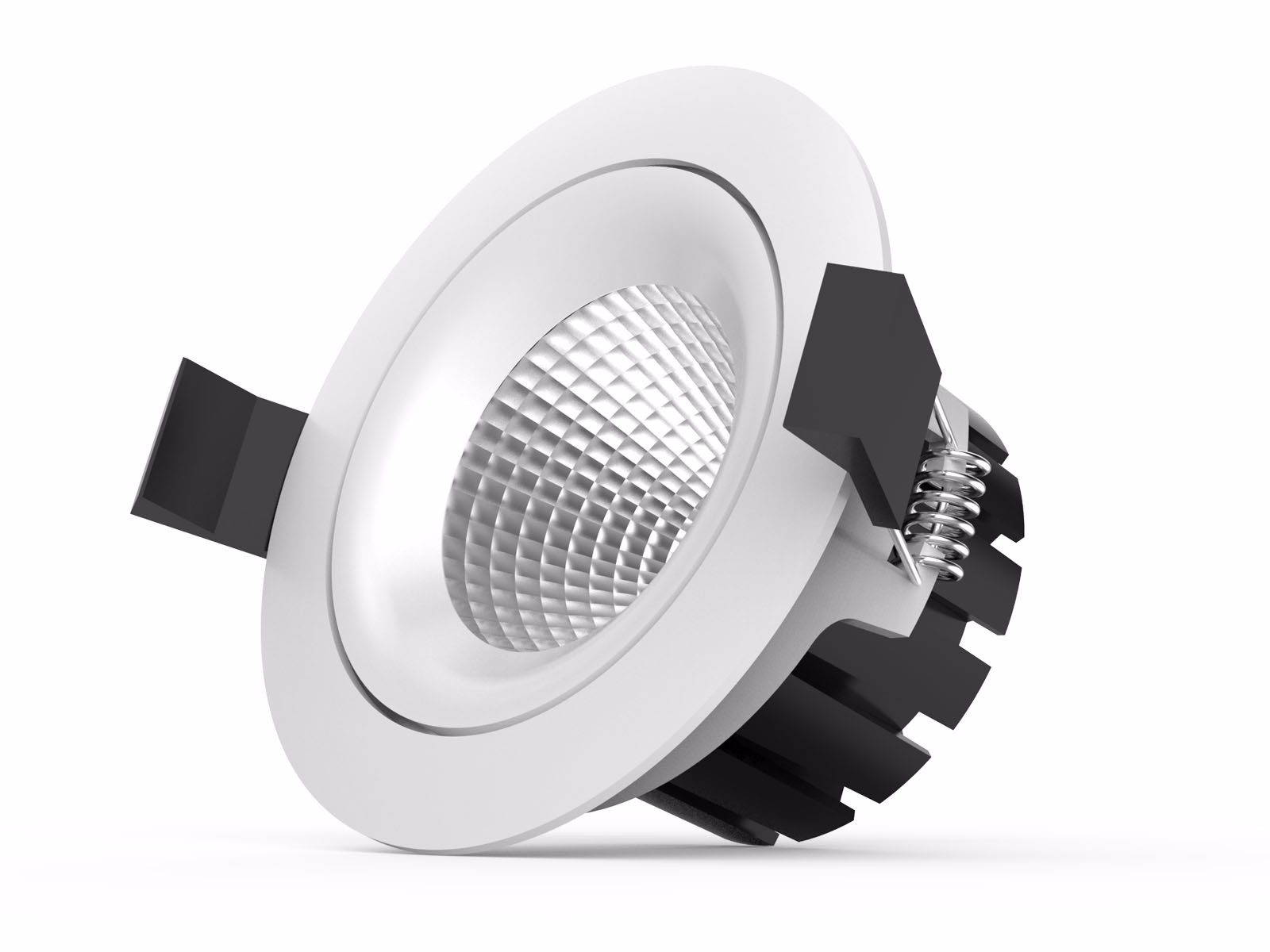
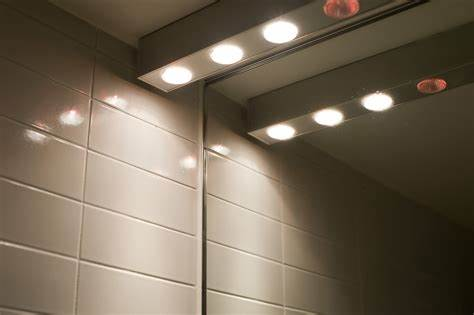
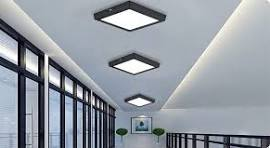
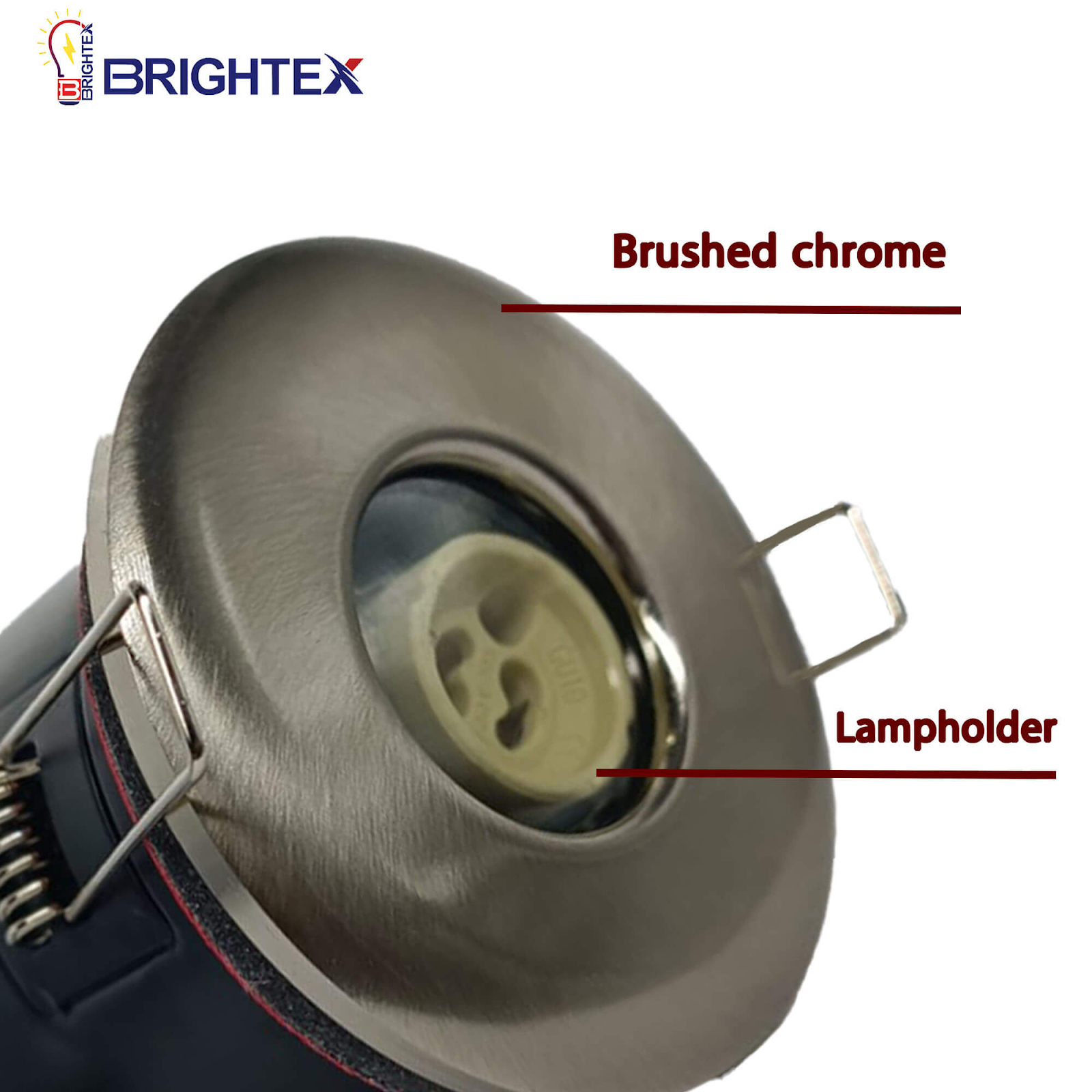
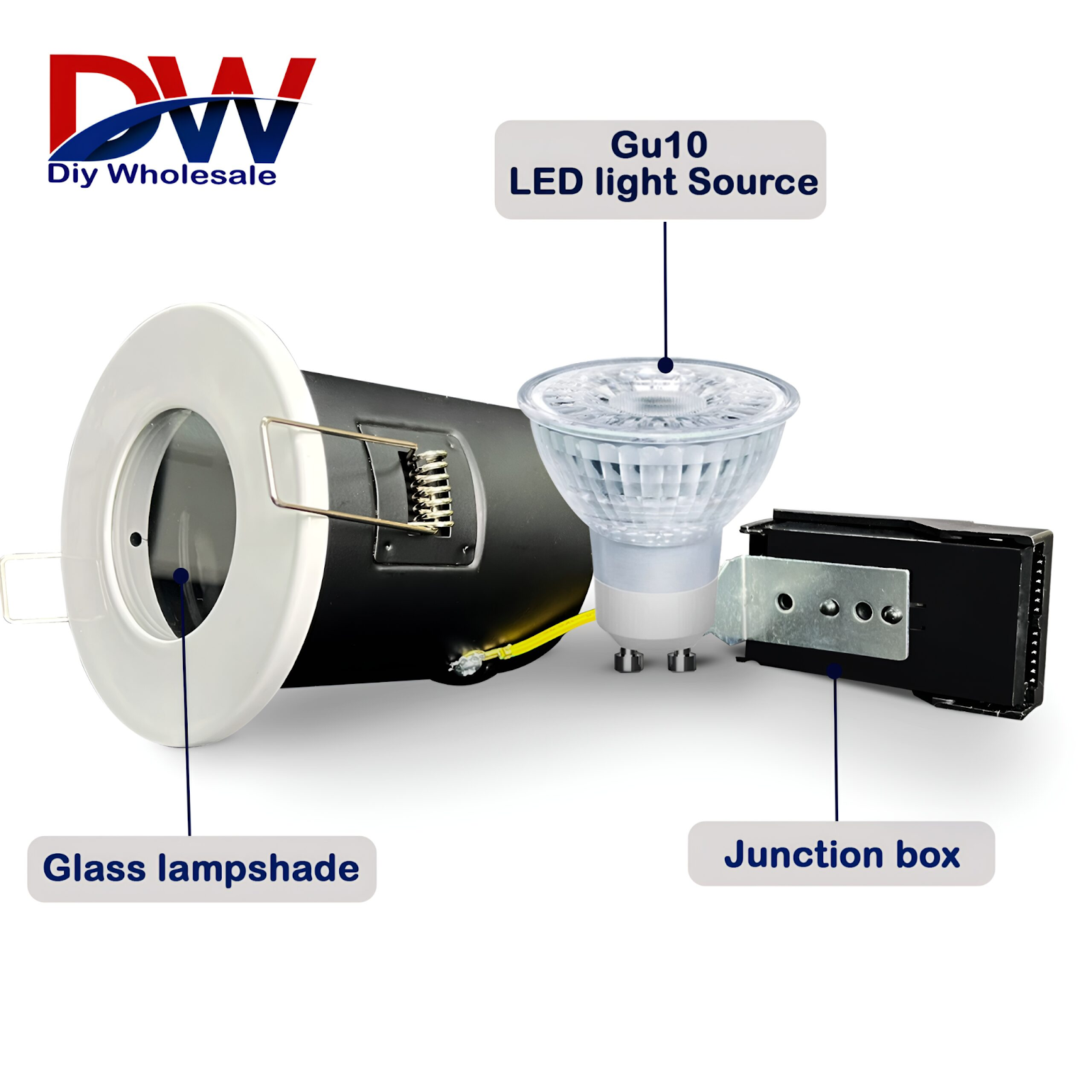
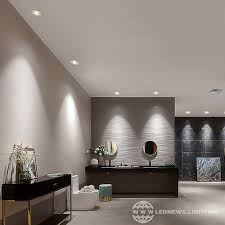
LED (light-emitting diode) downlights have grown in popularity in recent years due to their high energy efficiency and extended life. When an electrical current travels through these lights, it produces light, which is brilliant and concentrated. LED Light downlights are available in a variety of forms and sizes, making them appropriate for a wide range of applications.
Advantages of LED Light downlight
- Energy Efficiency: Compared to traditional lighting solutions, LED downlights utilize much less energy, allowing you to save money on your power bill.
- Longevity: LED downlights last significantly longer than halogen lights, minimizing the need for frequent replacements.
- Durability: LED lights are more durable and resistant to shocks and vibrations, making them perfect for applications that require long-term reliability.
- Directional Lighting: LED downlights emit light in a specified direction, providing accurate illumination while minimizing waste.
The disadvantages of LED Light downlight
- LED downlights have a greater initial cost than halogen lights, however, this is mitigated by long-term energy savings and replacement costs.
- LED downlights can be sensitive to high temperatures, affecting their effectiveness in certain conditions.
Understanding Halogen Lights
Halogen lights use halogen gas to create light and are widely utilized in both household and business settings. These lights provide warm and brilliant illumination, making them suitable for a variety of applications including accent lighting and task lighting.
Advantages of Halogen Lights
- Warm Light: Halogen lights emit a warm and natural light similar to daylight, creating a cozy and inviting atmosphere.
- Instantaneous Lighting: Halogen lights reach full brightness immediately upon being switched on, providing instant illumination without any warm-up time.
- Versatility: Halogen lights come in a range of shapes and sizes, making them suitable for diverse lighting applications.
Disadvantages of Halogen Lights
- Low energy efficiency compared to LED downlights leads to higher energy costs.
- Halogen lights have a lower lifespan than LED downlights, therefore they may need to be updated more regularly.
- Halogen lamps emit a substantial quantity of heat, which can be a problem in confined environments or when used for an extended duration.
Comparison of LED Downlights and Halogen Lights
Main Point Type Energy Efficiency LED downlights are far more energy efficient than halogen lights, consuming up to 80% less energy while providing the same level of brightness. Lifespan LED downlights have a lifespan of up to 50,000 hours or more, whereas halogen lights typically last around 2,000 to 5,000 hours. Brightness Both LED downlights and halogen lights offer bright illumination, but LED lights are more directional, resulting in better light control and less wastage. Environmental Impact LED downlights are eco-friendly as they contain no harmful substances such as mercury and produce less carbon emissions compared to halogen lights. Cost While LED downlights have a higher initial cost, they offer long-term savings on energy bills and replacement costs compared to halogen lights. Considerations When Choosing Between LED Downlights and Halogen Lights
When selecting between LED downlights and halogen lights, consider factors such as your lighting needs, budget, and environmental impact. Assessing these factors will help you make the right choice that aligns with your requirements and values.
Conclusion
Both LED downlights and halogen lights have their unique advantages and disadvantages. Ultimately, the right choice depends on your specific lighting requirements, budget, and preferences. By understanding the differences between these two options, you can make an informed decision that enhances the lighting in your space while minimizing energy consumption and costs.
-
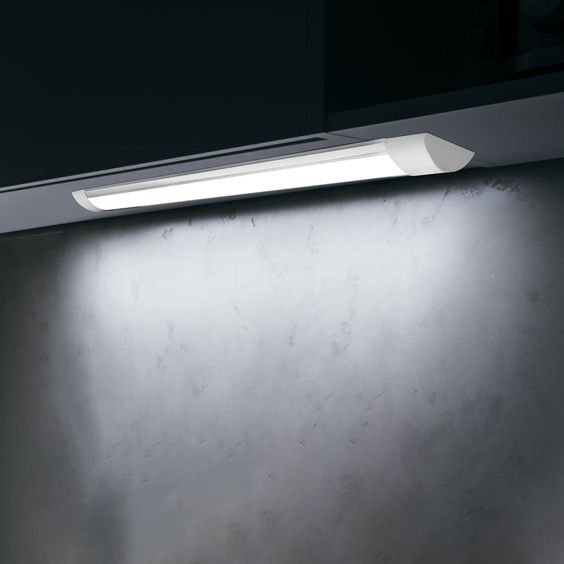
Comprehensive Guide to Installing LED Batten Lights
Table of content
- Introduction
- Understanding LED Batten Lights
- Benefits of LED Batten Lights
- Step-by-Step Installation Process
- Conclusion
Introduction
Are you considering upgrading your lighting to something more efficient and modern? LED batten lights might be just what you need. In this comprehensive guide, we’ll delve into everything you need to know about installing lights. From understanding the benefits to a step-by-step installation process, we’ve got you covered.
Understanding LED Batten Lights
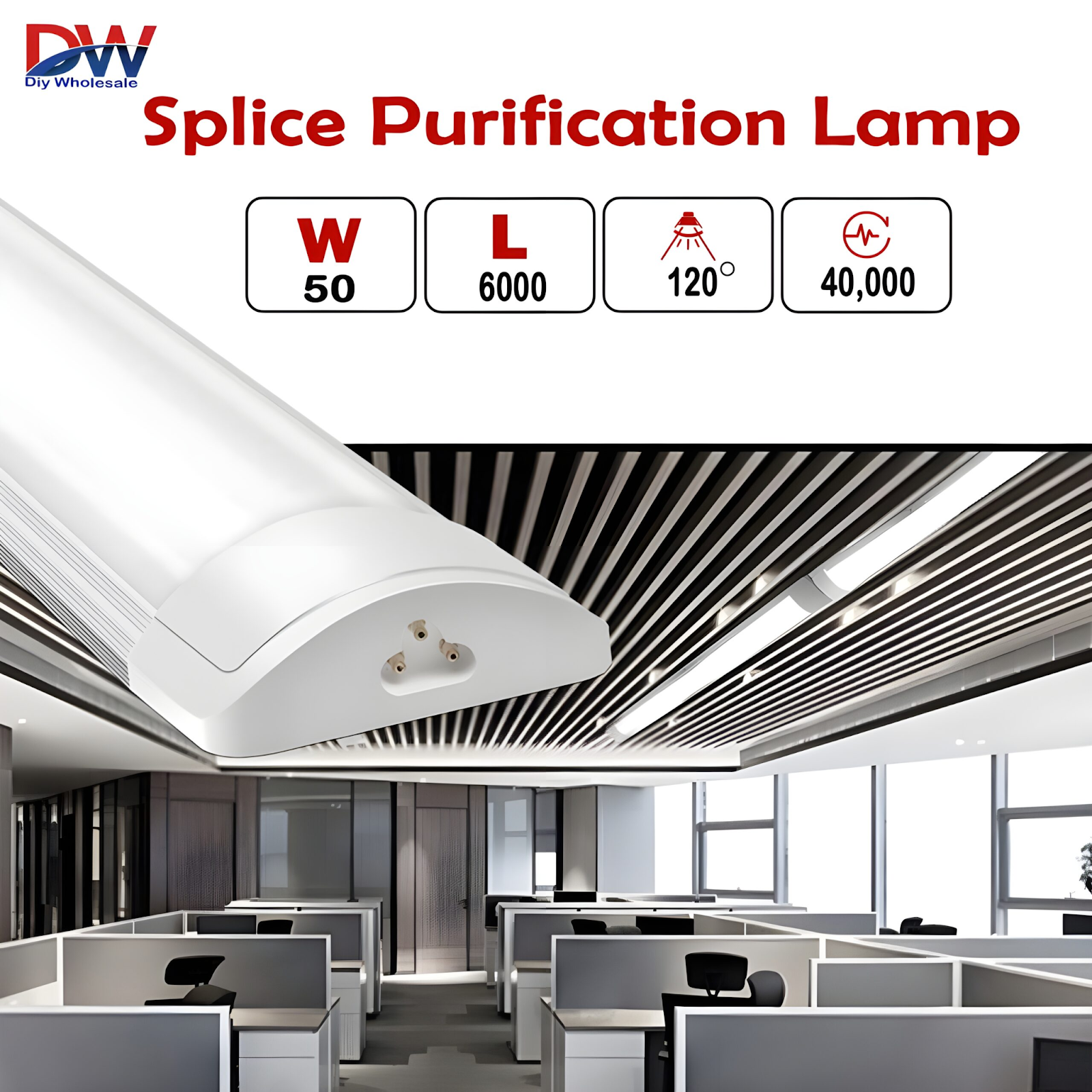
lights are slim, delicate fixtures that produce bright illumination while using little energy. Unlike traditional lighting solutions, lights have integrated LED bulbs that are noted for their durability and energy economy. Before we get into the installation method, let’s look at why LED batten lights are a great choice for your area.
Need tips on how to choose the right LED batten?
Here’s the full guide
Benefits of LED Batten Lights
- Energy Efficiency: LED technology uses much less energy than older lighting solutions, allowing you to save money on electricity costs.
- Longevity: LED lights last longer than incandescent or fluorescent bulbs, minimizing the need for frequent replacements.
- Brightness and Uniformity: LED batten lights provide bright, consistent lighting, making them suitable for a variety of applications ranging from residential to commercial.
- Eco-Friendly: LED lighting emits less heat and contains no hazardous materials such as mercury, making it ecologically friendly.
Pre-Installation Preparations
Before you begin the installation process, it’s crucial to gather all the necessary materials and ensure safety precautions are in place.
Materials Needed
- LED batten lights
- Mounting brackets
- Screws and anchors
- Wire strippers
- Screwdriver
- Electrical tape
- Voltage tester
- Ladder
Safety First
- Turn off the power to the area where you’ll be working.
- Use appropriate safety gear, such as gloves and safety glasses, when handling electrical components.
Step-by-Step Installation Process
Follow these detailed steps to install LED:
Step 1: Select the location.
Determine where you want to place the lights. Consider the room’s layout, the required illumination coverage, and any barriers or obstructions to the installation procedure.
Step 2: Mark the mounting points.
Mark the placements for the LED batten lights using a pencil or marker. Use a level to confirm that the markings are straight and aligned properly.
Step 3: Install the mounting brackets.
If your LED has mounting brackets, use screws and anchors to connect them to the ceiling or wall. Make that the brackets are properly secured and leveled.
Step 4: Connect the Wiring.
To connect the wiring for the LED, carefully follow the instructions provided by the manufacturer. Typically, this entails removing the insulation from the wires, matching their colors, and fastening them with wire nuts or terminal blocks. Use electrical tape to protect any exposed wires and provide a secure connection.
Step 5: Mount the LED Batten Lights.
Once the wiring is in place, gently install the LED batten lights over the mounting brackets. Secure the lights to the brackets with the screws or clips provided by the manufacturer. Double-check that the lights are level and firmly fastened.
Step 6: Test the Lights
Once the LEDs are installed, restore power to the circuit and test the lights to ensure they’re functioning correctly. Use a voltage tester to verify that there’s power running to the lights and that they illuminate as expected.
Step 7: Make adjustments.
If required, make final modifications to the LED’s location or alignment. Once you are pleased with the installation, remove any dirt or packaging materials and enjoy your newly lighted room!
Expert Tips for Success
- Measure Twice, Install Once: Take accurate measurements and double-check all dimensions before drilling or cutting to avoid costly mistakes.
- Seek Professional Assistance: If you’re unsure about any aspect of the installation process or encounter unexpected challenges, don’t hesitate to seek assistance from a qualified electrician or contractor.
- Safety First: Always prioritize safety when working with electricity. Turn off power to the area, use proper safety equipment, and follow all recommended safety precautions to prevent accidents and injuries.
Conclusion
With these additional steps and expert tips, you can ensure a flawless installation of LED batten lights that enhance the functionality, efficiency, and aesthetics of your space. From proper ventilation to decorative accents, every detail contributes to a successful lighting project. Illuminate your surroundings with confidence and enjoy the benefits of LED technology for years to come!
-
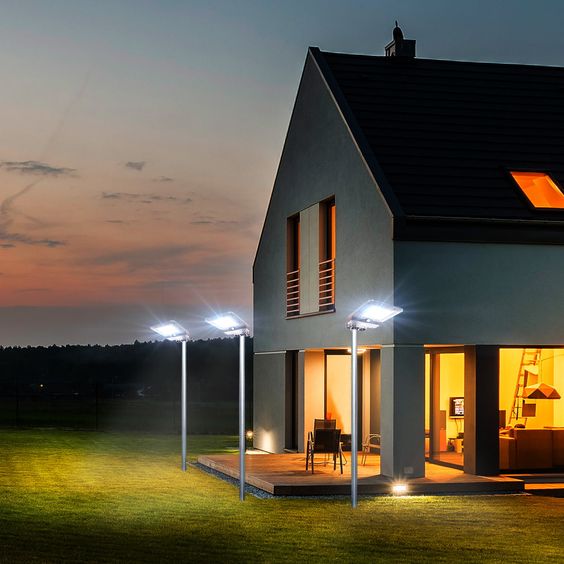
Exploring 5 Types of LED Flood Lights to Brighten Your Environment
Introduction
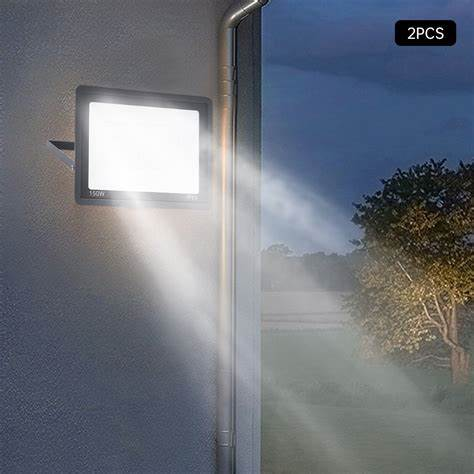
Lighting plays a vital role in enhancing both the aesthetics and safety of our surroundings. LED flood lights have emerged as a popular choice for outdoor illumination due to their energy efficiency, durability, and versatility. In this detailed guide, we will explore various types of LED flood lights, their unique features, and applications, empowering you to make an informed decision when selecting the right lighting solution for your needs.
Exploring the Different Types of LED Flood Lights
LED flood lights are available in a range of types, each tailored to specific requirements and environments. Let’s delve into each type in detail:
1. Security Lights
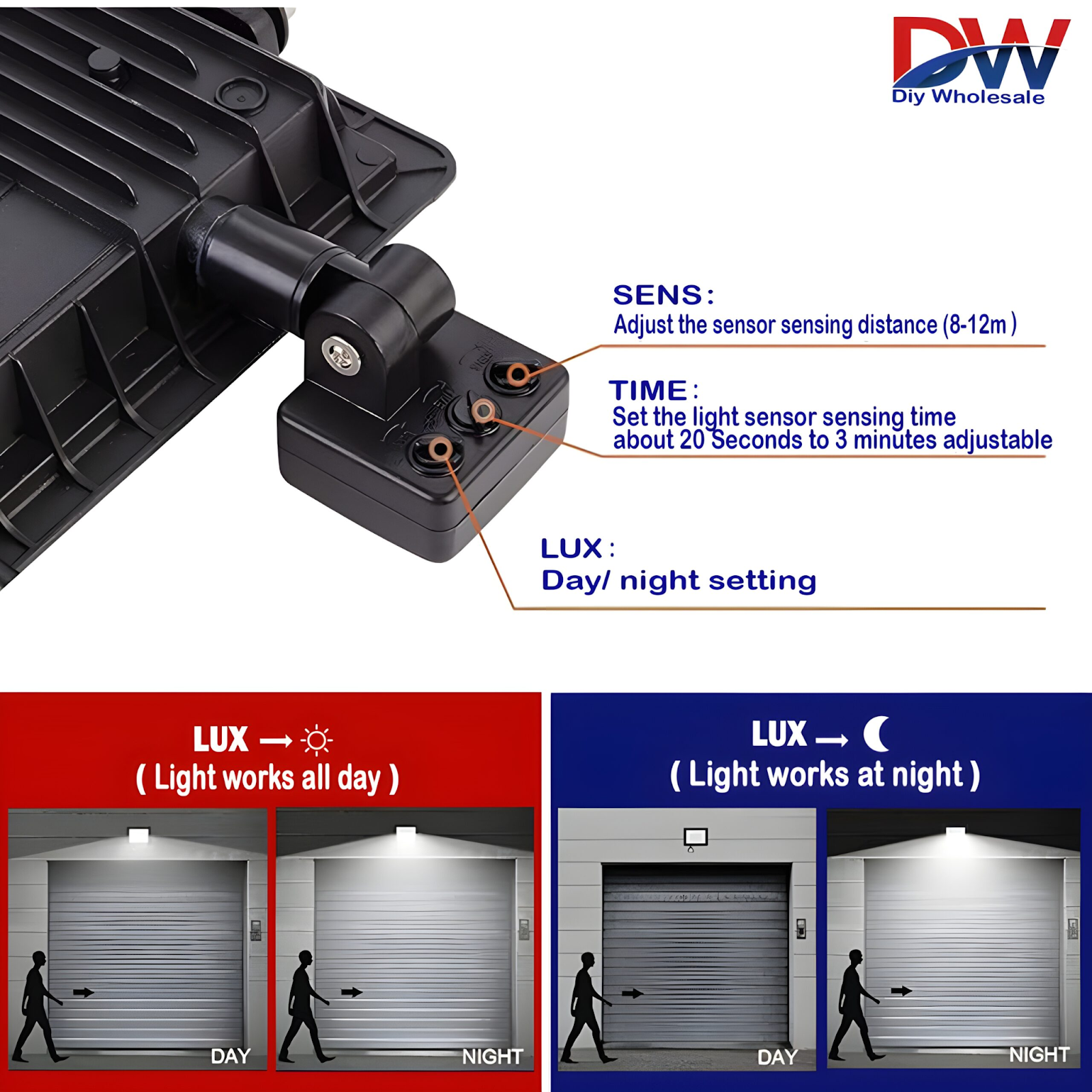
Security lights are intended to offer lighting while deterring possible attackers in outdoor areas such as driveways, yards, and parking lots. These lights often have motion sensors that detect movement, causing the light to come on and notifying property owners of any activity.
Security lights improve safety and security for residential and business premises. They prevent intruders by flooding the area with bright light when motion is detected, warning inhabitants and neighbors of potential risks. Furthermore, the unexpected illumination may surprise intruders, causing them to depart the premises. Security lights frequently include changeable sensitivity and duration settings, allowing users to tailor their functioning to their own needs and the area.
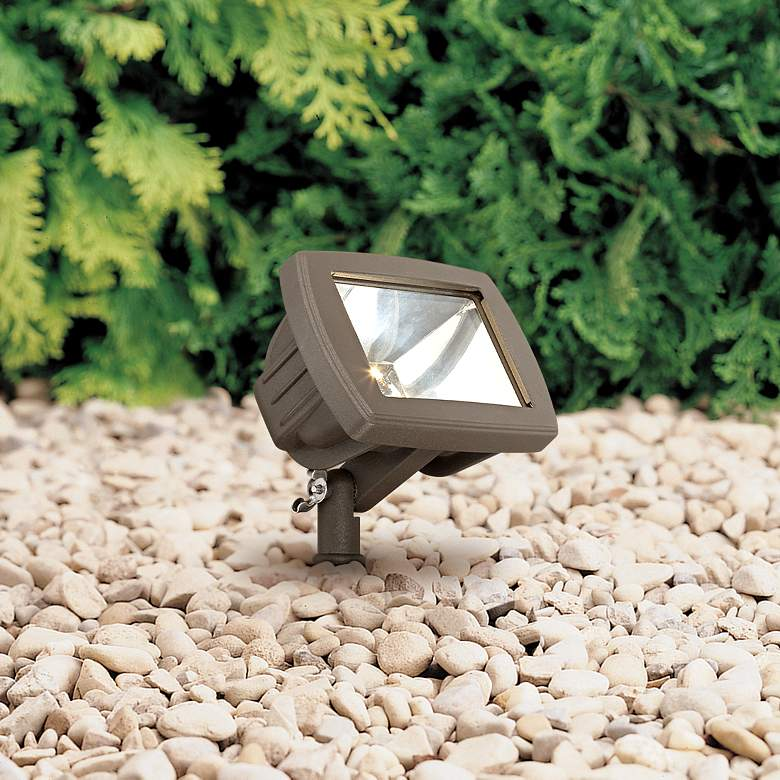
2. Landscape Lights
Landscape lighting is intended to highlight outdoor features including trees, bushes, paths, and architectural aspects. These lights provide depth, texture, and atmosphere in outdoor locations, converting them into visually attractive surroundings.
Landscape lighting serves both aesthetic and utilitarian objectives, adding beauty to outdoor landscapes while also giving direction and safety. By carefully putting landscape lights along paths, garden borders, and focal points, homeowners can create a visually pleasing and well-lit outdoor space that can be enjoyed both day and night. Furthermore, landscape lighting may emphasize architectural elements like facades, columns, and sculptures, giving drama and interest to the overall landscape design.
3. Motion Sensor Lights
Motion sensor lights are fitted with sensors that detect movement within their range and switch on automatically in response. These lights are perfect for locations that do not require consistent illumination, such as driveways, entrances, and backyards.
Motion sensor lights provide convenience, energy savings, and increased security by turning on only when motion is detected. These lights are especially beneficial in locations with intermittent foot activity, such as driveways and entryways, where constant illumination may not be practicable or essential. Motion sensor lights allow homeowners to discourage burglars, conserve energy, and have peace of mind knowing that their property is well-lit and safe.
4. Solar-powered lights
Solar-powered lights use sunshine to create electricity, making them an environmentally responsible and cost-effective lighting option for outdoor areas. These lights are perfect for areas without access to conventional power sources or where energy conservation is a top issue.
Solar-powered lights employ photovoltaic cells to turn sunlight into electricity, which is stored in rechargeable batteries for subsequent use. During the day, the solar panels capture and convert sunlight into energy, which is then utilized to power the LED lamps at night. Solar-powered lights are simple to install and need little maintenance, making them an appealing choice for homeowners trying to decrease their carbon footprint and energy expenditures. Furthermore, solar-powered lights are flexible and may be installed in numerous areas, providing lighting wherever needed without the need for wiring or electricity.
5. Commercial Grade Flood Lights
Commercial-grade flood lights are heavy-duty fixtures designed for high-performance lighting applications in large outdoor areas such as stadiums, parking lots, and industrial facilities. These lights provide powerful illumination, durability, and reliability, making them ideal for demanding environments.
Commercial-grade flood lights are engineered to meet the rigorous requirements of commercial and industrial settings, where visibility, safety, and reliability are paramount. These fixtures feature robust construction, high-quality components, and advanced optics to deliver bright, uniform illumination over large areas. Commercial-grade flood lights are commonly used in stadiums, arenas, warehouses, and construction sites, where they provide essential lighting for operations, security, and public safety. With its rugged design and superior performance, commercial-grade flood lights are a trusted lighting solution for challenging outdoor environments.
Conclusion
In conclusion, LED flood lights offer a versatile, energy-efficient, and sustainable lighting solution for a wide range of outdoor applications.
By exploring the different types of LED flood lights available and understanding their unique features and benefits, you can select the right lighting solution to enhance your outdoor space.
Whether you’re looking to improve security, create ambiance, or illuminate large outdoor areas, LED flood lights provide reliable performance and exceptional value.
Illuminate your space with confidence and efficiency using LED flood lights, and enjoy the countless benefits of modern lighting technology from DIY WHOLESALE -
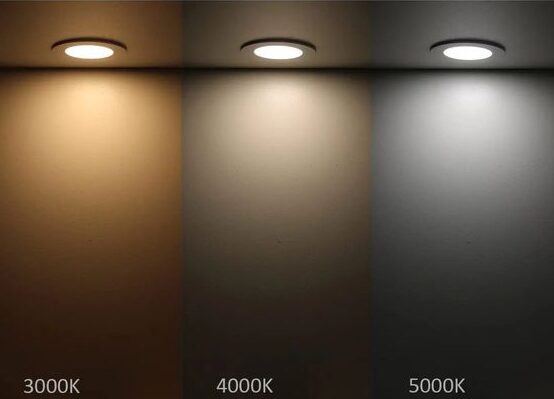
5 Compelling Reasons to Choose LED Panel Light for Your Lighting Needs
Introduction
In the realm of modern lighting solutions, LED panel light has emerged as an innovative and efficient option for both residential and commercial spaces.
These sleek and versatile fixtures offer numerous benefits, from energy savings to enhanced aesthetics. If you’re considering upgrading your lighting system, here are five compelling reasons why LED panel light should be at the top of your list.
1. Illuminate Your Space with Efficiency and Elegance
LED panel light is known for their energy efficiency, using substantially less electricity than typical fluorescent or incandescent lamps. LED panels, with their modern technology and design, provide brilliant, even illumination while consuming the least amount of energy, making them an ecologically beneficial choice for customers.
2. Seamless integration for a sleek appearance
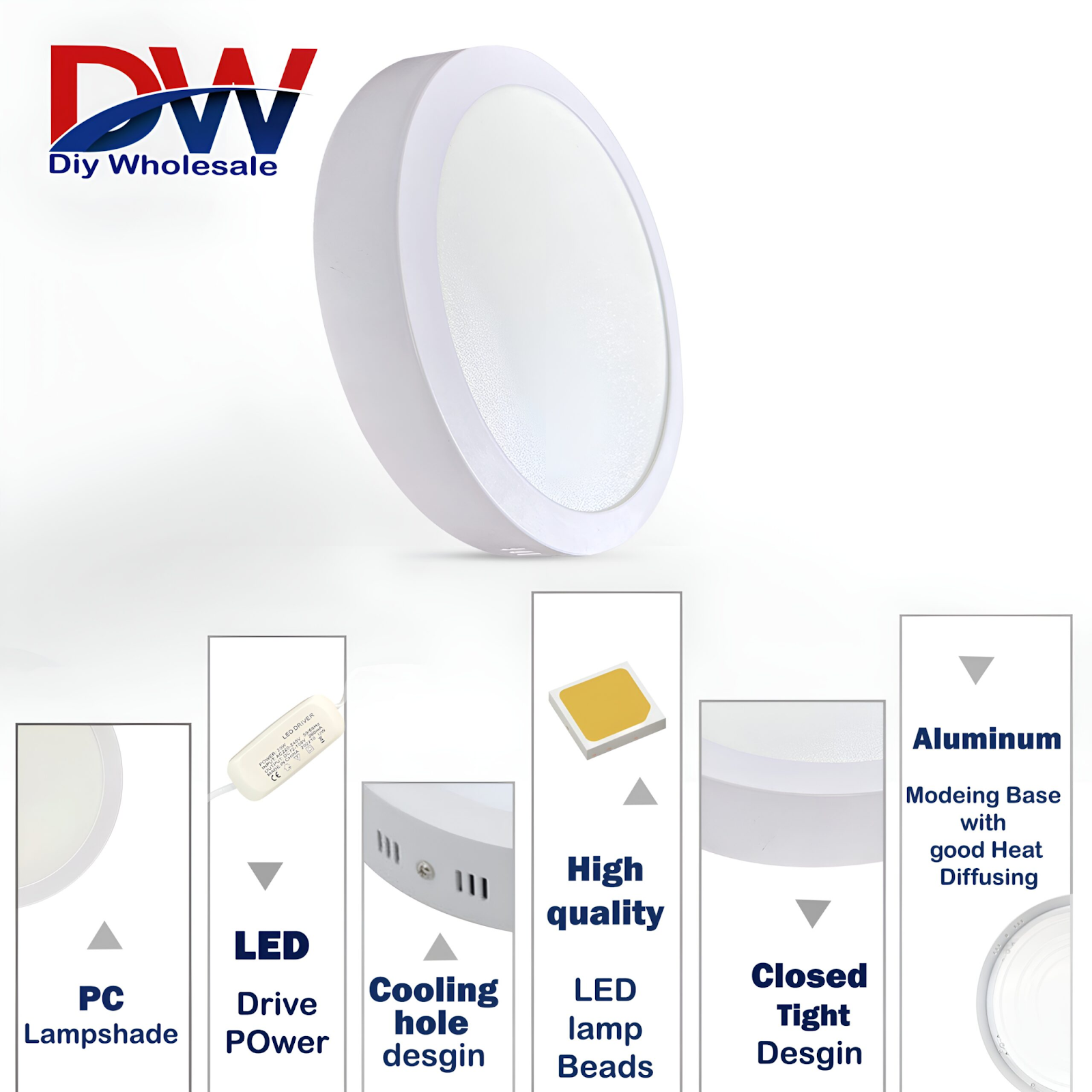
One of the most notable advantages of LED panel light is their sleek and modern form, which allows for easy integration into any area. Whether hung or surface-mounted, these slender lights provide a clean and minimalist style that suits any home décor. Replace large, obsolete lighting fixtures with LED panel lights for a more streamlined appearance.
3. Experience longevity and durability.
Unlike traditional lighting alternatives that require regular bulb changes, LED panel light is designed to last. With an average lifespan of 50,000 hours or more, these long-lasting fixtures provide years of dependable service, lowering maintenance expenses and inconvenience. Furthermore, LED panels are resistant to stress, vibration, and temperature changes, delivering steady illumination even in harsh situations.
4. Customizable Options for Optimal Versatility
LED panel light is available in a range of sizes, shapes, and color temperatures, allowing for customized lighting solutions to meet your individual requirements. Whether you like cold or warm white light, or if you need dimmable lighting for changing brightness, an LED panel may meet your needs. With several mounting choices and accessories available, it’s simple to design the ideal lighting system for any room.
5. Enhanced Comfort and Productivity
In addition to their energy-saving benefits, LED panel light provide better light quality, which may increase comfort and productivity in any setting. These lights prevent eye strain and offer a more comfortable and productive environment by operating without flickering and distributing light uniformly. LED panel lights, whether used in businesses, schools, or healthcare facilities, help to make spaces more pleasant and efficient for inhabitants.
With their numerous benefits and versatile applications, LED panel light represent the future of illumination. From energy efficiency to enhanced aesthetics and performance, these innovative fixtures offer a superior lighting solution for any space. Whether you’re renovating your home, upgrading your office, or designing a new commercial space, consider the many advantages of LED panel lights for your lighting needs.
FAQs
- Are LED panel lights suitable for residential use?
LED panel lights are an excellent choice for residential lighting, offering energy efficiency, longevity, and versatility to enhance any living space.
- How do LED panel lights compare to traditional fluorescent fixtures in terms of energy savings?
LED panel lights consume significantly less power than traditional fluorescent fixtures, resulting in substantial energy savings over time.
- Can LED panel lights be dimmed to adjust brightness levels?
Yes, many LED panel lights are dimmable, allowing users to adjust brightness levels to suit their preferences and create the desired ambiance.
- Are LED panel lights easy to install?
Yes, LED panel lights are designed for easy installation, whether recessed into ceilings or surface-mounted, making them a convenient choice for both residential and commercial applications.
- Do LED panel lights emit harmful UV rays?
No, LED panel lights produce minimal UV radiation, making them safe for use in various environments, including schools, hospitals, and offices.
- What is the typical lifespan of LED panel lights?
LED panel lights have an average lifespan of 50,000 hours or more, significantly longer than traditional lighting options, reducing maintenance costs and hassle for users.
Conclusion
In the end, LED panel light provide an excellent balance of efficiency, durability, and adaptability, making them a perfect lighting option for any room. Whether you want to save energy, improve aesthetics, or increase comfort and productivity, LED panels perform on all fronts. Make the transition to LED panel lights now to brighten your area in elegance and effectiveness.
-

Elevate Your Indoor Air Quality with Extractor Fans: A Comprehensive Guide
Table of contents:
- Introduction
- Types of Extractor Fans
- Benefits of Using an Extractor Fan
- Factors to Consider When Choosing an Extractor Fan
- Environmental Impact of Extractor Fans
- Conclusion
Introduction
Extractor fans, which are often neglected but are key components of ventilation systems, play an important role in sustaining healthy interior environments. These devices are essential in providing optimum air circulation and quality in a variety of settings, including domestic kitchens and bathrooms, business organizations, and industrial facilities.
This comprehensive guide delves deeply into the world of extractor fans, covering their kinds, benefits, installation, maintenance, troubleshooting, brands, cost analysis, applications, future trends, environmental effect, and regulatory compliance.
Types of Extractor Fans
Extractor fans are available in a variety of configurations, each adapted to individual demands and installation constraints.
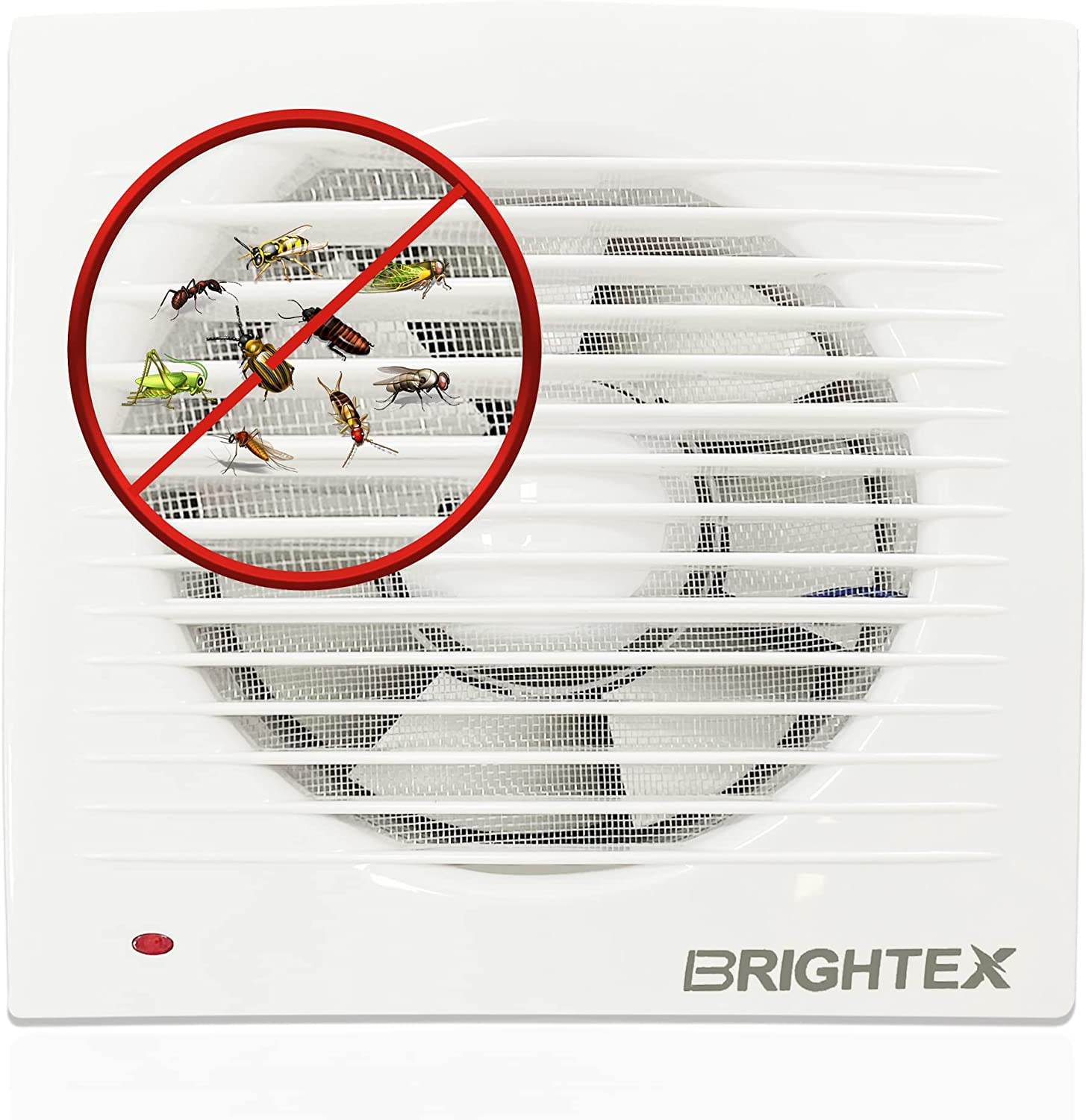
- Wall-mounted extractor fans are prevalent in kitchens and bathrooms, effectively expelling moisture and aromas to the outdoors.
- Ceiling-mounted extractor fans, which are ideal for bigger rooms, provide unobtrusive ventilation while retaining aesthetics.
- Inline extractor fans that are built into the ductwork provide strong ventilation solutions while maintaining interior decor.
Benefits of Using an Extractor Fan
The advantages of extractor fans go well beyond simple ventilation. These devices successfully remove airborne contaminants such kitchen odors, tobacco smoke, and volatile organic compounds (VOCs), hence improving indoor air quality.
Extractor fans reduce moisture levels, which inhibits mold and mildew formation and promotes a healthier living environment. Furthermore, they improve general comfort by removing stale scents and preserving a fresh environment.
Embracing extractor fans enhances not only indoor air quality but also overall health and well-being. Experience the benefits firsthand by installing an extractor fan in your space.
Ready to enjoy cleaner, healthier air? Discover how can elevate your indoor environment and take action to improve your well-being today.
Factors to Consider When Choosing an Extractor Fan
When selecting an extractor fan for your space, there are several important factors to consider to ensure that you choose the right one for your needs. These factors include:
- Size and Capacity: One of the most important factors to consider is the extractor fan’s capacity. It should be the right size to efficiently ventilate the space it’s meant for. Larger rooms or areas may need more powerful fans with larger airflow capacity to provide proper ventilation.
- Noise Level: Consider the extractor fan’s noise level, especially if it will be put in a household area like a kitchen or bathroom. Look for models that run softly to reduce interruption, especially during times of relaxation or sleep.
- Energy Efficiency: Choose an extractor fan that is energy-efficient to minimize energy consumption and reduce utility bills. Look for models with high energy efficiency ratings or features such as variable speed controls that allow you to adjust the fan’s speed according to your needs.
- Consider the installation requirements for the extractor fan, such as whether it should be wall-mounted, ceiling-mounted, or inline. Ensure that you have the appropriate space and infrastructure to install the fan.
- Ducting and Ventilation: Make sure that the extractor fan’s ducting and ventilation meet the criteria for proper airflow and ventilation. Consider installing more ducting or ventilation systems to increase the fan’s performance.
- Moisture Resistance: If the extractor fan will be installed in a damp or humid environment, such as a bathroom or laundry room, choose a model that is moisture-resistant or specifically designed for such conditions. This will help prevent damage and ensure longevity.
By carefully considering these factors and conducting thorough research, you can select the right extractor fan that meets your ventilation needs and preferences effectively.
Environmental Impact of Extractor Fans
The environmental impact of extractor fans is an important consideration, as these ventilation systems play a significant role in indoor air quality while consuming energy and potentially contributing to carbon emissions. Here are key aspects to consider:
- require power to function, which contributes to overall energy consumption in buildings. The environmental effect varies based on fan size, motor efficiency, and usage patterns. Energy-efficient versions can assist cut power use and lower the carbon footprint connected with ventilation.
- Carbon Emissions: The power utilized by extractor fans is frequently generated using fossil fuels, resulting in carbon emissions and environmental contamination. Minimizing energy usage by using energy-efficient fans, renewable energy sources, or carbon offsets can all assist in reducing the environmental effect.
- Indoor Air Quality Improvement: Despite their environmental impact, extractor fans play a crucial role in improving indoor air quality, removing pollutants, and preventing mold and mildew growth. By ensuring proper ventilation, contributes to the health and well-being of building occupants, reducing the need for energy-intensive air purification systems or medical treatments due to poor indoor air quality.
Overall, while extractor fans contribute to energy consumption and carbon emissions, their role in improving indoor air quality is essential for human health and comfort. By adopting energy-efficient practices, choosing eco-friendly products, and adhering to regulatory standards, the environmental impact of extractor fans can be minimized, contributing to sustainability in building operations.
Conclusion
In conclusion, extractor fans are indispensable for maintaining clean and healthy indoor environments by removing pollutants, controlling moisture levels, and ensuring proper ventilation. By understanding the types, benefits, installation process, maintenance tips, brands, cost analysis, applications, future trends, environmental impact, and regulatory compliance of extractor fans, you can make informed decisions to optimize indoor air quality and create a healthier living or working environment.
Ready to improve your indoor air quality and create a healthier environment? Take action today by installing an extractor fan tailored to your needs.
Explore our comprehensive guide and make informed decisions for cleaner indoor air.
-
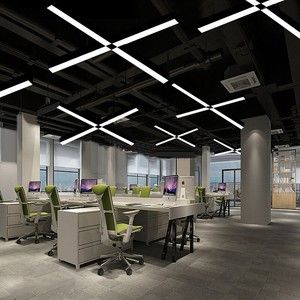
9 Reasons why to Choose LED Ceiling Office Lights
Introduction
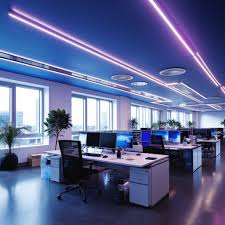
Welcome to the ultimate guide on transforming your office environment with innovative ceiling lighting solutions. In this article, we delve into the 9 reasons to include LED ceiling office lights in your work environment.. to enhance productivity, mood, and aesthetics. With a focus on LED ceiling office lights, we explore various designs and techniques to illuminate your workspace effectively, fostering a conducive atmosphere for work and creativity.
1. Natural Light Emulation
One of the most effective methods to brighten up your workplace area is to install LED panels that replicate natural sunshine. These panels not only brighten the room but also help to regulate mood and minimize eye strain, producing an ideal setting for lengthy work hours.
Picture this: You’re sitting at your desk, taking in the gentle glow of natural light streaming through the ceiling. The environment is tranquil, and your mind feels refreshed ready to take on the day’s chores with newfound vitality. This is the power of natural light simulation.
2. Adjustable Brightness Control
Customization is essential when it comes to workplace lighting, and LED ceiling office lights with changeable brightness settings provide exactly that. Whether you’re discussing ideas with your team or working on intricate tasks alone, having the ability to adjust the lighting intensity provides maximum comfort and productivity.
Imagine being able to control the brightness of your workplace lights with a single touch or voice command. Adjustable brightness control gives us a world of choices, from delicate illumination for concentrated activities to vivid lighting for collaborative sessions.
3. Task Lighting Solutions
To improve visibility and attention in certain work locations, consider using task lighting solutions like pendant lights or track lighting. These lights provide tailored lighting, reducing glare and shadows while improving visibility for the work at hand.
Consider a conference room bathed in the soothing glow of pendant lights, lighting the meeting table where ideas can flow freely. Each participant feels involved and concentrated owing to the careful arrangement of task lighting bulbs that improve clarity and understanding.
4. Creative Fixture Designs with LED Ceiling Office Lights
Why settle for the ordinary when you can add creativity and elegance to your workplace environment with inventive fixture designs? From elegant geometric designs to minimalist masterpieces, imaginative LED Ceiling office lighting fixtures act as useful art pieces that enhance the aesthetic appeal of your workstation.
Imagine walking into an office with avant-garde lighting fixtures that function as conversation starters. Each design aspect demonstrates your company’s dedication to innovation and excellence, making a lasting impact on both clients and workers.
5. Color Temperature Variation
The color temperature of lighting has a considerable impact on the mood of your workstation. With LED ceiling office lights, you can change the color temperature and create dynamic lighting effects to match different activities and moods throughout the day.
Close your eyes and imagine a dynamic working setting where the color temperature transitions smoothly from warm, inviting tones in the morning to cool, invigorating hues in the afternoon. With changeable color temperature settings, you can create the ideal environment for work and creativity.
6. Energy-efficient solutions
In today’s environmentally concerned society, sustainability is a primary issue for businesses. LED ceiling office lights are an ecologically friendly lighting option that reduces power usage and carbon footprints while providing greater performance and long-term cost benefits.
7. Smart Lighting Automation
Embrace the future of workplace lighting with smart lighting automation solutions that provide unparalleled control and convenience. Smart LED ceiling office lights solutions, provide you with features such as customizable scheduling and remote access, streamline operations, and improve user experience, allowing you to focus on what is important.
Picture this: When you enter your workplace in the morning, the lights automatically change to your desired settings, creating a comfortable environment to begin the day. Throughout the day, the illumination adjusts to different jobs and activities, increasing comfort and efficiency without requiring user involvement.
8. Biophilic Design Integration.
Bring the outside inside by introducing biophilic design features into your office lighting arrangement. From living walls to nature-inspired fixtures, biophilic design encourages a strong connection with nature, enhancing employee well-being and creativity at work.
Imagine working in an office surrounded by greenery and bathed in gentle, natural light streaming through leafy canopies. The biophilic features not only improve aesthetics but also cleanse the air and decrease stress, resulting in a peaceful atmosphere in which productivity and ideas thrive.
9. Minimalist Recessed Lighting
Minimalistic recessed lighting is ideal for individuals who desire a clean, clutter-free style. These elegant LED ceiling office lights merge smoothly into the ceiling, delivering enough illumination while maintaining visual appeal, resulting in an uncluttered setting suitable for concentrated work.
Close your eyes and imagine an office environment filled with minimalist recessed lighting fixtures, each corner bathed in soothing, equal illumination. The sleek, subtle design compliments modern decor, resulting in a seamless and welcoming environment that fosters work and creativity.
Conclusion
In conclusion, the right office ceiling lighting can transform your workspace into a hub of productivity, creativity, and well-being. By incorporating innovative LED lighting solutions and design principles tailored to your specific needs, you can create an environment where employees thrive and ideas flourish. Whether it’s harnessing the power of natural light emulation or embracing smart lighting automation, the possibilities are endless when it comes to illuminating your path to success.
-
Mastering LED Light Downlights for Modern Spaces
Table of content
- Introduction
- Types of LED Downlight Lights
- Factors to Consider Before Installation
- Choosing the Right LED Downlight Lights
- FAQs
- Conclusion
Introduction
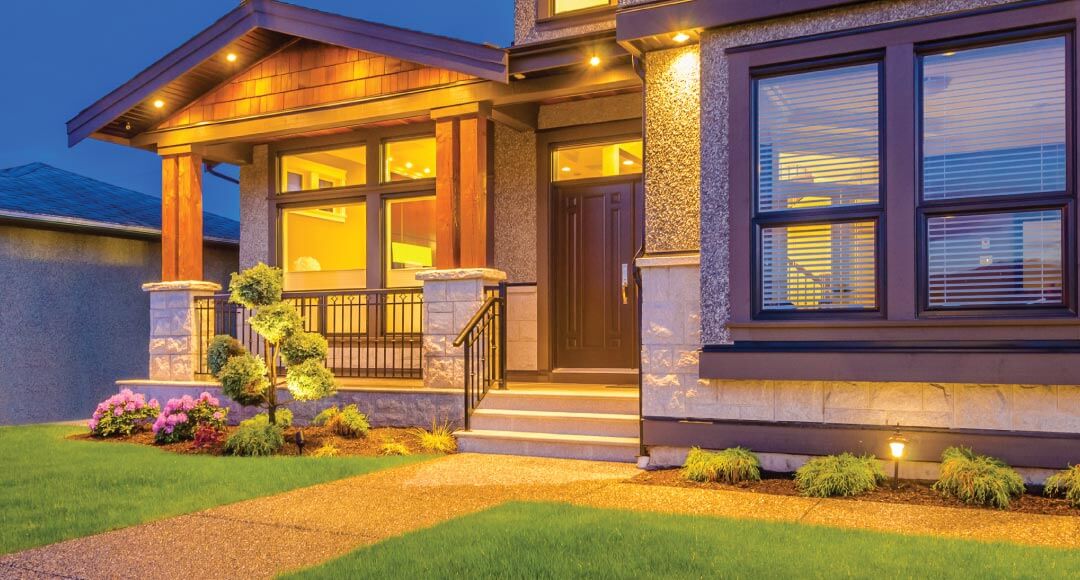
LED downlight lights are the pinnacle of modern illumination, providing a stylish and energy-efficient lighting option for contemporary environments.
Let’s go into the complexities of using LED downlights to brighten your modern oasis.
Understanding the Basics
At the core of LED downlight lights lies cutting-edge technology that ensures optimal brightness while minimizing energy consumption.
Unlike traditional lighting fixtures, LED downlight lights emit light in a downward direction, providing focused illumination with minimal glare.
Advantages Of Traditional Lighting
The switch to LED downlight lights offers several advantages, ranging from energy efficiency to increased lifetime. LED downlights utilize much less energy than incandescent or fluorescent bulbs, resulting in lower utility costs and environmental effects. Furthermore, their longer lifespan requires fewer replacements, saving both time and resources.
Types of LED Downlight Lights
LED downlight lights come in various forms, each tailored to suit different aesthetic preferences and spatial requirements.
- Recessed downlights.
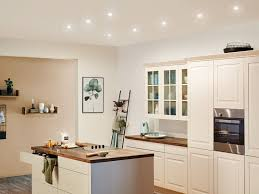
Recessed downlights integrate perfectly into the ceiling, creating a clean and simple lighting solution. Recessed downlights are ideal for places with low ceilings or those seeking a streamlined appearance since they give adequate lighting without obstructing the visual space.
- Surface Mounted Downlights
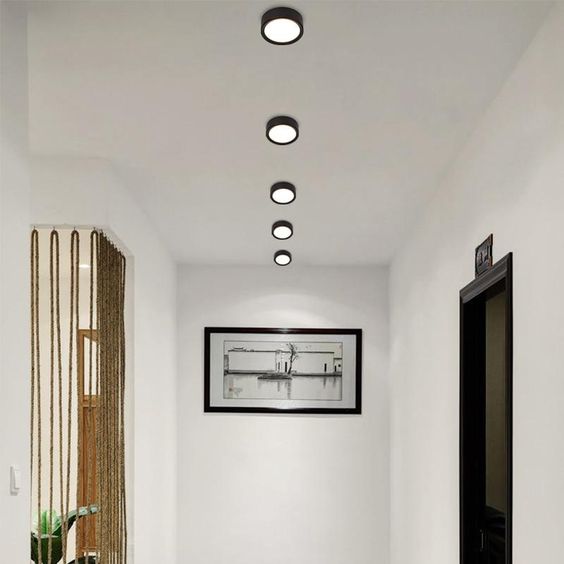
Surface-mounted downlights, as the name suggests, are affixed directly onto the surface of the ceiling. This versatile option is perfect for spaces where a recessed installation is impractical or undesirable, adding a touch of sophistication while delivering optimal brightness.
- Adjustable Downlights
For spaces that require flexibility in lighting direction, adjustable downlights offer a customizable solution. With the ability to pivot or swivel, these fixtures enable precise control over the direction of light, allowing you to highlight specific architectural features or focal points.
Factors to Consider Before Installation
Before embarking on the installation of LED downlights, several key factors merit consideration to ensure optimal performance and aesthetics.
- Room Size and Layout
The size and layout of the room play a crucial role in determining the number and placement of downlights. Larger spaces may require multiple fixtures to achieve uniform illumination, while compact areas may suffice with fewer units strategically positioned for maximum coverage.
- Color Temperature and Mood
The color temperature of LED downlights may affect the atmosphere and mood of a room. Warm tones produce a pleasant and friendly ambiance, suitable for home settings or small gatherings, whilst colder tones generate a feeling of modernism and concentration, excellent for commercial or workplace spaces.
- Dimming capabilities
Investing in dimmable LED downlights provides unrivaled lighting control versatility. Whether you’re holding a dinner party or giving a presentation, the flexibility to change the brightness depending on the event improves atmosphere and usefulness.
Choosing the Right LED Downlight Lights
Selecting the perfect LED downlights entails evaluating various factors to ensure compatibility and performance.
- Energy Efficiency Ratings
When looking for LED downlight lights, choose those with good energy efficiency ratings, such as ENERGY STAR certification. These lights use innovative technology to reduce energy usage while maintaining brightness and quality.
- Quality of light output
The quality of light output is critical for producing a visually pleasing and pleasant workplace. Choose LED downlights with a high Color Rendering Index (CRI) to ensure accurate color reproduction and improved visual clarity.
- Compatibility with Smart Home Systems
In an increasingly connected world, integrating LED downlights with smart home systems offers unparalleled convenience and control. Look for fixtures compatible with popular platforms like Alexa or Google Assistant, allowing you to adjust lighting settings with simple voice commands or smartphone apps.
FAQs
- What are the main advantages of LED downlights over traditional lighting?
LED downlights offer superior energy efficiency, longevity, and durability compared to traditional incandescent or fluorescent bulbs. They also provide more focused illumination with minimal heat emission, reducing the risk of fire hazards.
- How do I choose the right LED downlights for my space?
Consider factors such as room size, layout, color temperature preferences, and dimming capabilities when selecting LED downlights. Opt for models with high energy efficiency ratings and compatibility with smart home systems for added convenience and control.
- Are LED downlights difficult to install?
While installation complexity may vary depending on factors such as ceiling type and wiring configuration, LED downlights are generally straightforward to install with basic tools and DIY skills. However, for optimal safety and performance, it’s advisable to consult a qualified electrician for professional installation.
- Can LED downlights be used outdoors?
Yes, LED downlights are suitable for outdoor applications such as porch lighting, pathway illumination, or accentuating landscaping features. Ensure that the fixtures are rated for outdoor use and properly sealed to withstand exposure to moisture, dust, and other environmental factors.
- Do LED downlights require regular maintenance?
While LED downlights have a longer lifespan and lower maintenance requirements compared to traditional lighting fixtures, periodic cleaning and inspection are recommended to ensure optimal performance. Remove dust and debris from the surface of the fixtures regularly to maintain brightness and efficiency.
Conclusion
In conclusion, mastering LED downlight lights for modern spaces offers a myriad of possibilities for illuminating your environment with style, efficiency, and sophistication. By understanding the basics, exploring different types, and considering key factors before installation, you can harness the full potential of LED downlights to transform your space into a beacon of brilliance. Whether you’re aiming to enhance ambiance, improve energy efficiency, or simply elevate the aesthetics of your surroundings, LED downlights provide a versatile and sustainable lighting solution for the modern era.
-

Shine Bright with Recessed Spotlights .. Your Ultimate Lighting Solution Guide
Table of contents:
- Introduction
- Definition and Functionality
- Evolution of Recessed Lighting
- Types of Recessed Spotlights
- Installation Considerations:
- Advantages of Recessed Spotlights
- Conclusion
Introduction
In modern interior and architectural design, lighting plays a crucial role in enhancing ambiance and functionality. Among the various lighting options available, recessed spotlights stand out as a versatile and stylish choice. This article aims to explore the intricacies of recessed spotlights, covering everything from their definition to installation considerations and practical applications.
Definition and Functionality
Recessed spotlights, also known as downlights or canlights, are light fixtures that fit into hollow spaces in ceilings or walls. They are intended to offer concentrated illumination without projecting or taking up substantial area in the room. spotlights’ principal role is to highlight certain regions or objects, resulting in layers of light inside a space.
Evolution of Recessed Lighting
Recessed lighting has developed greatly over time. From simple incandescent lighting to sophisticated LED technology, today’s solutions provide increased energy efficiency, durability, and design flexibility.
Types of Recessed Spotlights
When it comes to recessed spotlights, there are several options, each with its own set of pros and disadvantages.
A. Traditional Incandescent.
Traditional incandescent spotlights give forth a pleasant, ambient glow. While they create a vintage lighting look, they are less energy efficient than contemporary options.
B. LED Recessed Spotlights.
LED recessed spotlights are popular because of their high energy efficiency and extended lifespan. They provide brilliant, concentrated light while using less electricity, making them an environmentally beneficial option.
C. Halogen Options.
Halogen spotlights produce clear, white light with good color reproduction. However, they produce more heat and have a shorter lifespan than LED lights.
D. Energy-Efficient Choices
In addition to LED lights, additional energy-efficient solutions are available, such as CFL (compact fluorescent lamp).
These alternatives provide eco-conscious consumers with additional options for lighting their spaces.
- Installation Considerations:
Recessed spotlights must be properly installed to guarantee maximum performance and safety inside a space.
A. Location Planning.
Before installation, spotlights must be carefully placed to create balanced lighting while avoiding glare or shadows.
B. Wiring and electrical requirements.
Depending on the type of recessed spotlight used, precise wiring and electrical criteria must be completed to ensure correct operation and compliance with safety laws.
C. Retrofitting vs New Construction
The installation method differs depending on whether you’re retrofitting an existing space or introducing recessed lighting into new building projects. Retrofitting may necessitate additional measures to facilitate the installation of fixtures within pre-existing buildings.
Design and aesthetic considerations.
Recessed spotlights can not only provide useful illumination but also improve the visual appeal of a room.
A. Flexibility in Design Styles
One of the key benefits of spotlights is their adaptability to various design styles. Whether you choose a modern, minimalist look or a more classic aesthetic, recessed spotlight lights are available to fit every design style. From clean and subtle to elaborate and ornamental, the possibilities are practically endless. Here’s your full Guide!
B. Color Temperature and Mood Settings
The color temperature of light emitted by spotlights may significantly affect a room’s atmosphere and environment. Warm white light (2700-3000 Kelvin) produces a pleasant and welcoming environment, whereas cold white light (4000-5000 Kelvin) is more stimulating and exhilarating. By choosing the right color temperature for your spotlights, you can create the ideal mood for any event.
C. Trim Options and Finishes.
The trim on spotlights is important for both their looks and operation. Trim options range from basic and subtle to ornamental and ornate, allowing you to tailor the appearance of your spotlights to fit your overall design plan. Furthermore, trim finishes are available in a range of materials, including brushed nickel, chrome, bronze, and brass, allowing you to combine with other fixtures and hardware in the room.
Advantages of Recessed Spotlights
Recessed spotlights offer several advantages over traditional lighting fixtures, making them a popular choice for both residential and commercial applications.
- Space-saving Solutions
Recessed spotlights have several advantages, including their space-saving design. spotlights save space and give a clean, uncluttered appearance since they are fitted flush with the ceiling or wall. This makes them excellent for places with low ceilings or limited space, where standard pendant or wall-mounted lighting may be impractical.
- Improved Lighting Ambiance
Recessed spotlights are extremely adaptable and may be utilized to generate a wide range of lighting effects to improve the ambiance of a room. spotlights may help you create a bright, well-lit setting for working or entertaining, as well as a pleasant, personal ambiance for relaxation.
- Energy Efficiency Benefits
LED spotlights, in particular, provide considerable energy efficiency advantages over standard incandescent or halogen lamps. LED lights use up to 80% less energy and last up to 25 times longer than incandescent bulbs, resulting in cheaper energy bills and maintenance expenses over time. Furthermore, LED lamps generate less heat, which reduces the demand for air conditioning and contributes to energy savings.
Conclusion
Recessed spotlights are a versatile and stylish lighting solution that can enhance any interior or exterior space. With their sleek design, energy-efficient operation, and customizable features, spotlights offer both practical and aesthetic benefits for residential and commercial applications alike.
-
The Top Advantages of LED Office Lights
Introduction
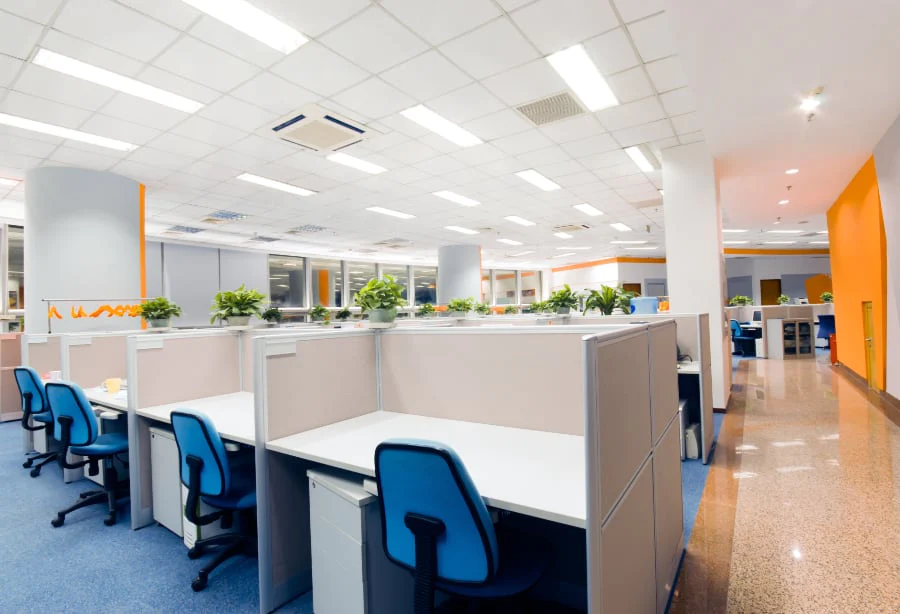
In the fast-paced world of offices, lighting plays a critical role in mood, energy efficiency, and productivity in addition to simply brightening workplaces. LED office lights stand out among the multitude of lighting alternatives as a beacon of efficiency and innovation. Learn about the incomparable benefits of incorporating LED office lighting into your workstation.
- Energy Efficiency: Lighting Areas While Conserving Energy!
LED office lights are more energy-efficient than other lighting options. LED lights function at lower temperatures than incandescent or fluorescent bulbs, which lose energy as heat. This reduces energy loss. Because of its efficiency, LED lighting is a sustainable option for companies looking to save expenses and their environmental effect.
This can be seen in the real savings that come from lower power bills. Offices may brighten their environments with LED lighting while using a great deal less
energy, which complies with energy-saving regulations and environmental objectives.
- Durability and Length: Lighting Fixtures Constructed to Last
LED office lights have an incredibly long lifespan compared to traditional options. While fluorescent tubes and incandescent bulbs have normal lifespans of 8,000 and 1,000 hours, respectively, LED lights may last up to 50,000 hours or more, which lowers the need for replacements and maintenance costs.
In addition, LED lights are strong and resilient enough to endure shocks, vibrations, and temperature changes without losing functionality. Because of their extended lifespan, lightbulbs become less annoying to change on a regular basis and help reduce electrical waste, which promotes a greener workplace.
- Improving Workplace Well-Being: Establishing Ideal Lighting Conditions
Human mood, general well-being, and circadian rhythms are all strongly influenced by lighting. With adjustable brightness and color temperature, LED office lights provide the freedom to design ideal lighting conditions that promote comfort and productivity.
LED office lights replicate the patterns of natural lighting, which helps to improve attention, reduce eye strain, and regulate sleep-wake cycles. These benefits increase employee happiness and productivity.
LED lighting also removes glare and flicker, creating a visually pleasing and cozy environment that encourages interaction and creativity.
- Better Light Distribution and Quality: Lighting Up Areas In effect
When compared to conventional choices, LED office lights excel in offering improved light quality and dispersion. LED lighting has superior color rendering capabilities and consistently produces bright, flicker-free illumination, in contrast to fluorescent tubes that provide harsh, uneven lighting.
True-to-life colors are guaranteed by this high color rendering index (CRI), which improves visual clarity and reduces eye strain. Workspace usefulness and aesthetics may be maximized by carefully placing and directing LED lights to efficiently illuminate particular areas or jobs.
- Instant On/Off and Dimming Features: Flexibility for the Contemporary Office
The quick on/off and dimming capabilities of LED lights are a clear advantage in a hectic workplace setting. LED lights light up instantly and continue to function consistently, in contrast to fluorescent lights, which need time to warm up and may flicker or deteriorate over time.
Furthermore, LED lights may be integrated with smart lighting systems to allow for dynamic brightness level change and remote control. This flexibility promotes a more pleasant and productive office by increasing energy savings and enabling employees to customize their lighting preferences.
- Conclusion
In conclusion, switching to LED office lighting has a number of advantages, including increased illumination quality, cost savings, and energy efficiency.
LED lighting emerges as a beacon of innovation, shining the route towards a brighter, more efficient future for office spaces globally as businesses prioritize sustainability, productivity, and employee pleasure.
Accept LED technology to redefine the way we work, one LED bulb at a time, by lighting up possibilities as well as spaces.
-
Elevate Your Outdoor Experience with IP66 LED Lights: Transforming Spaces with Efficiency and Style
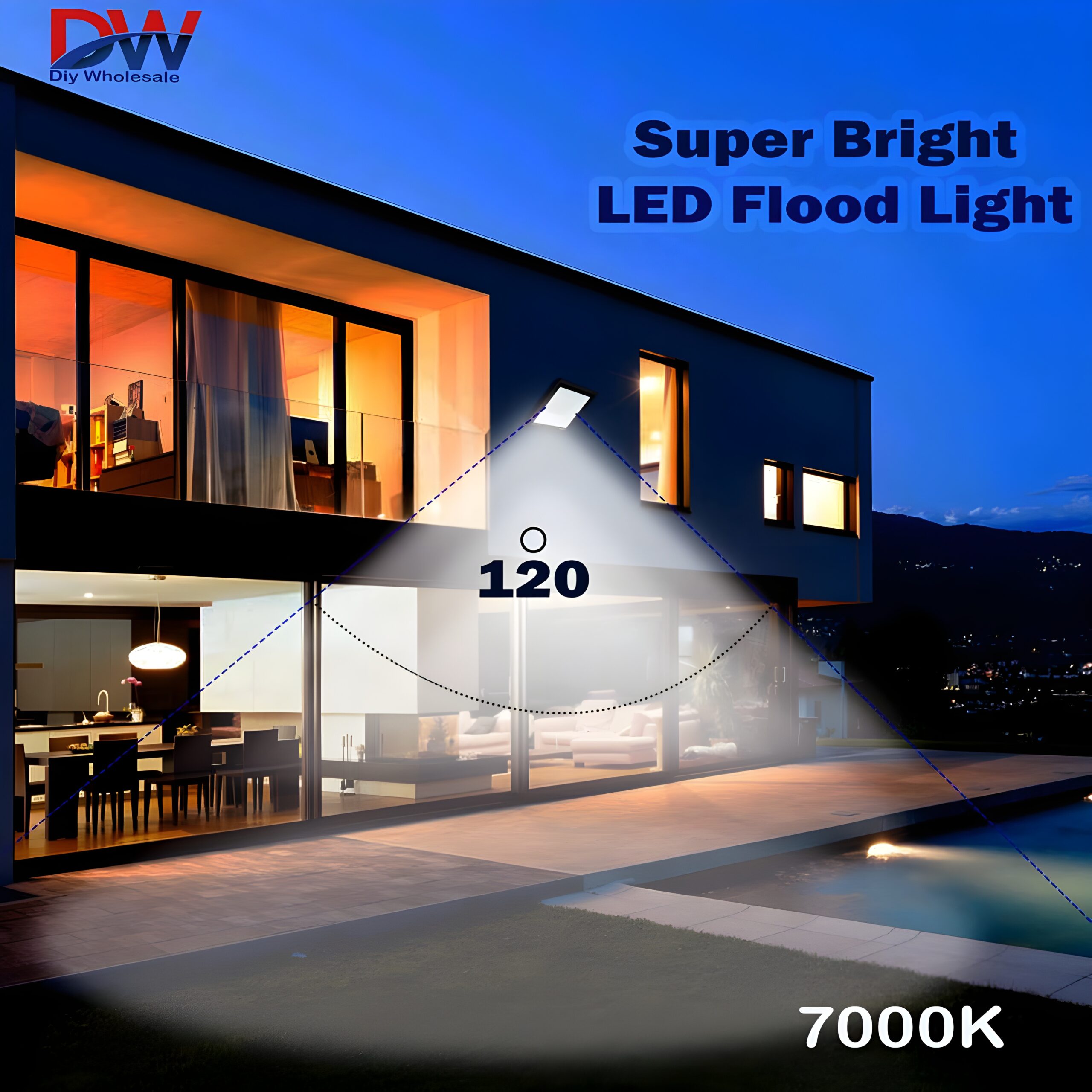
As the boundaries between indoor and outdoor living continue to blur, the demand for versatile, durable, and stylish outdoor lighting solutions has never been greater. Enter IP66 LED lights—an innovative lighting option that combines superior performance with aesthetic appeal to create captivating outdoor environments. In this article, we’ll explore how IP66 LED lights can elevate your outdoor experience, whether you’re hosting a gathering in your backyard or illuminating a commercial outdoor space.
The Allure of IP66 LED Lights
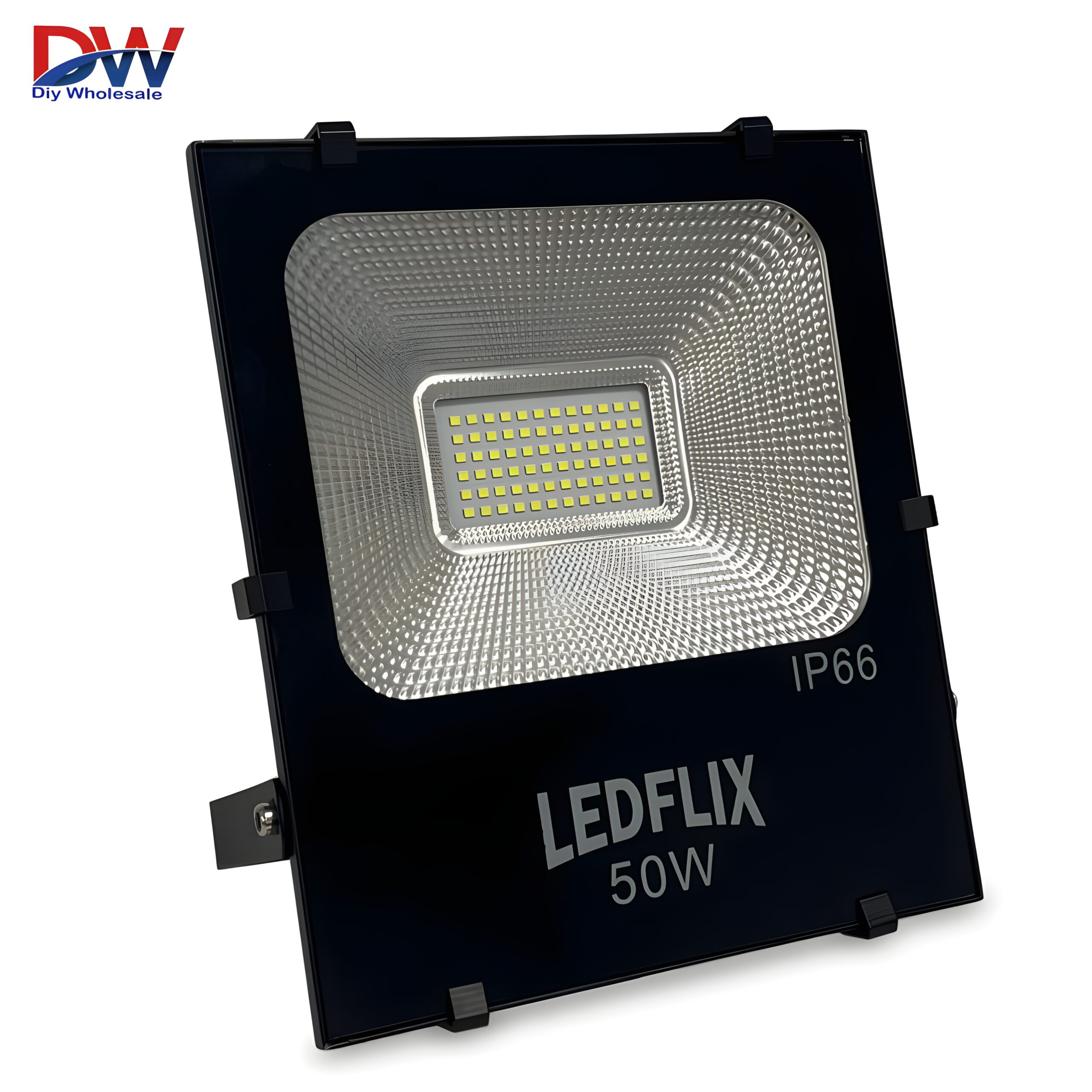
- Unmatched Durability: IP66 LED lights are built to withstand the harshest outdoor conditions, from torrential rain to scorching heat and everything in between. Their robust construction and sealed design ensure protection against dust, moisture, and even powerful jets of water, making them ideal for outdoor use in any climate.
- Energy Efficiency: LED technology lies at the heart of IP66 LED lights, offering exceptional energy efficiency compared to traditional lighting options. By consuming less power while delivering high-quality illumination, these lights not only reduce electricity costs but also contribute to environmental sustainability by minimizing carbon emissions.
- Versatile Designs: From sleek and modern fixtures to classic and ornate designs, IP66 LED come in a wide range of styles to suit various outdoor settings and architectural aesthetics. Whether you’re looking for discreet pathway lighting or eye-catching landscape features, there’s an IP66 LED light fixture to meet your needs.
- Enhanced Safety and Security: Illuminate pathways, driveways, and outdoor gathering areas with IP66 LED lights to enhance safety and security around your home or commercial property. Bright and uniform illumination not only helps prevent accidents but also deters intruders and enhances overall visibility in outdoor spaces.
Creative Applications of IP66 LED Lights
- Al Fresco Dining Ambiance: Create a welcoming atmosphere for outdoor dining areas by incorporating IP66 LED string or pendant fixtures above dining tables and seating areas. The warm glow of LED lights adds charm and intimacy to al fresco gatherings, making them unforgettable experiences for guests.
- Landscape Enhancement: Showcase the beauty of your outdoor landscape with strategically placed IP66 LED spotlights and garden lights. Highlight architectural features, sculptures, and plantings to create visual interest and drama after dark, turning your outdoor space into a stunning nighttime oasis.
- Commercial Branding: Illuminate storefronts, signage, and outdoor displays with eye-catching IP66 LED to attract customers and reinforce brand identity. From dynamic color-changing effects to uniform white light, LED lighting offers endless possibilities for showcasing products and creating memorable retail experiences.
- Event Lighting: Whether it’s a wedding reception, corporate event, or community festival, IP66 LED can set the stage for unforgettable outdoor gatherings. Use creative lighting techniques such as uplighting, wash lighting, and pattern projection to transform event venues into captivating spaces that leave a lasting impression on attendees.
Conclusion
IP66 LED are more than just practical outdoor lighting fixtures—they’re versatile design elements that can transform ordinary outdoor spaces into extraordinary environments. With their unmatched durability, energy efficiency, and aesthetic appeal, IP66 LED lights offer endless possibilities for enhancing safety, ambiance, and visual impact in residential and commercial outdoor settings. Embrace the power of IP66 LED and unlock the full potential of your outdoor spaces, creating memorable experiences for yourself, your guests, and your customers alike.