Your cart is currently empty!
Category: Blog
Your blog category
-
Transform Your Kitchen with cool white spotlights | Bright and Functional Illumination
Introduction
The kitchen is often referred to as the heart of the home where culinary magic happens and families gather.
As such, achieving the right lighting is crucial not only for creating an inviting atmosphere but also to ensure that things function smoothly.
cool white spotlights have emerged in kitchens as game changers by providing a bright clean light that improves visibility and matches modern aesthetics.
This comprehensive article covers how these spotlights will give your kitchen a facelift, their benefits, applications and fixing tips.
Understanding cool white spotlights
cool white spotlights have a bright blue-white glow similar to natural daylight.
Normally, this type of lighting has a color temperature ranging between 4000K – 5000K which makes it suitable for spaces where clarity and brightness are essential. Unlike warm white lights that emit a yellowish hue, cool whites give out a neutral invigorating tone.
This feature makes them particularly ideal for use in the kitchen where good visibility is necessary when chopping vegetables, reading recipes or ensuring food safety.
Advantages of cool white spotlights in the Kitchen
- Enhanced Visibility and Clarity
Key advantage of cool white spotlights is their ability to offer better visibility.
Apart from reducing shadows with their bright focused illumination highlighting details (perfect for task lighting in kitchens) one will utilize while preparing food or cooking or cleaning dishes , they enhance clarity.
- Modern Aesthetic Appeal
Moreover,cold white ceiling lights are best suited for today’s contemporary kitchens.
Their neat lines go well with sleek countertops,stainless steel appliances,and minimalist décor.
Currently,colored spots add sophistication into your kitchen thereby making it appear bigger as well as more attractive.
- Energy Efficiency
Most cool white spotlights are based on LEDs resulting in huge energy savings compared to traditional incandescent bulbs.
Consequently,the less electricity consumed by them leads to reduced energy costs including maintenance expenses.
Besides,this type emits much less heat in contrast with other types of bulbs thus critical in places where heat management is necessary such as in a kitchen.
- Versatility in Design
Additionally, cool white spotlights are manufactured in a variety of styles including downlighting, track lighting and adjustable fixtures.
This therefore makes it possible for you to customize your kitchen lights based on your own needs and preferences.From some key points like kitchen countertops, islands and cupboards to finer ones that result in a well-lit space generally.
Choosing the right cool white spotlights for your kitchen
Consider these aspects to achieve both aesthetic appeal and optimal performance when selecting cool white spotlights.
- Brightness Level
The right brightness level (measured in lumens) depends on the size of your kitchen and its lighting requirements.For overall kitchen illumination, each spotlight should produce 300-400 lumens.For tasks like above a worktop, you might need between 400-700 lumens.
- Beam Angle
The angle of the beam determines how light is distributed.
A narrower beam (20-40 degrees) provides focused lighting, ideal for highlighting specific areas, while a wider beam (60-120 degrees) offers more general illumination.
- Dimmability
Go for dimmable cool white spotlights so that the light intensity can be adjusted according to different times of the day or activities done during the day.Dimmable lights provide flexibility; they make it possible for one to have bright surroundings when cooking or even lessened glare during mealtimes.
- Color Rendering Index (CRI)
The CRI is the measure of how faithfully light presents colors in comparison to sunlight. For kitchens, an 80 or higher CRI would be in order, to keep food and kitchen components appearing vivid and real.
Installation Tips for Cool White Spotlights
1. Plan Your Lighting Layout
Design a lighting plan that covers all sections of your kitchen, including work areas, dining areas and accents.
A combination of recessed ceiling spotlights as general lights and task specific spotlights can give you a balanced and functional illumination.
2. Consider Placement and Spacing
Proper placement and spacing are crucial to achieving even lighting.
4-6 feet apart Recessed ceiling spotlights should be placed about 12-18 inches away from walls etc. For task lighting, erect the spotlights directly above work areas in order to get rid of any shadows cast by them.
3. Install Dimmers and Smart Controls
Incorporate dimmers or smart lighting controls so as to control brightness levels and create different scenes for the lights. This way, you can remotely control kitchen lighting by using smart controls for enhanced convenience plus energy conservation.
4. Hire a Professional Electrician
To avoid electrical problems, it is important to hire an electrician especially when installing recessed lighting properly that ensures safety at all times. They can ensure wiring is done correctly according to the electrical codes thus reducing chances of electrical faults developing.
Integrating Recessed Ceiling Spotlights
1. Benefits of Recessed Ceiling Spotlights
Recessed ceiling spotlights which are also known as canister lightings or down lights provide kitchens with sleek yet very unobtrusive lighting solutions.
These fixtures are installed flush with the ceiling hence giving modern kitchen designs a streamlined look that enhances their aesthetics; more so in those kitchens having low ceilings or where space is limited.
2.Types of Recessed Ceiling Spotlights
- Fixed Downlights: Suitable for general lighting because it emits fixed beams of light source.
- Adjustable Downlight: Ideal for task lighting because they have a pivoting mechanism enabling one to direct light where necessary.
3. Installation Considerations
Ensure that recessed fixtures can fit into your ceiling space properly. Housing depth should be the same as the cavity of your ceiling. If you have insulated your roof, use insulation-compatible fixtures to avoid overheating and enhance energy efficiency.
Conclusion
Cool white spotlights are able to totally transform any kitchen through providing bright functional illumination that enhances visibility as well as aesthetics at once.
By carefully selecting, installing and integrating these spotlights you will create a practical yet stylish environment for cooking activities.
Remodeling your home or changing out the lighting in the kitchen?
Cool white spotlights offer a modern answer fitting today’s lifestyle demands
-

Choosing the Ideal Color Temperature for surface mount led to A Comprehensive Guide
Introduction
To choose the right color temperature for your surface mount led (SMD LEDs), you need to have an idea of what ambiance, efficiency and functionality you want for your lighting.
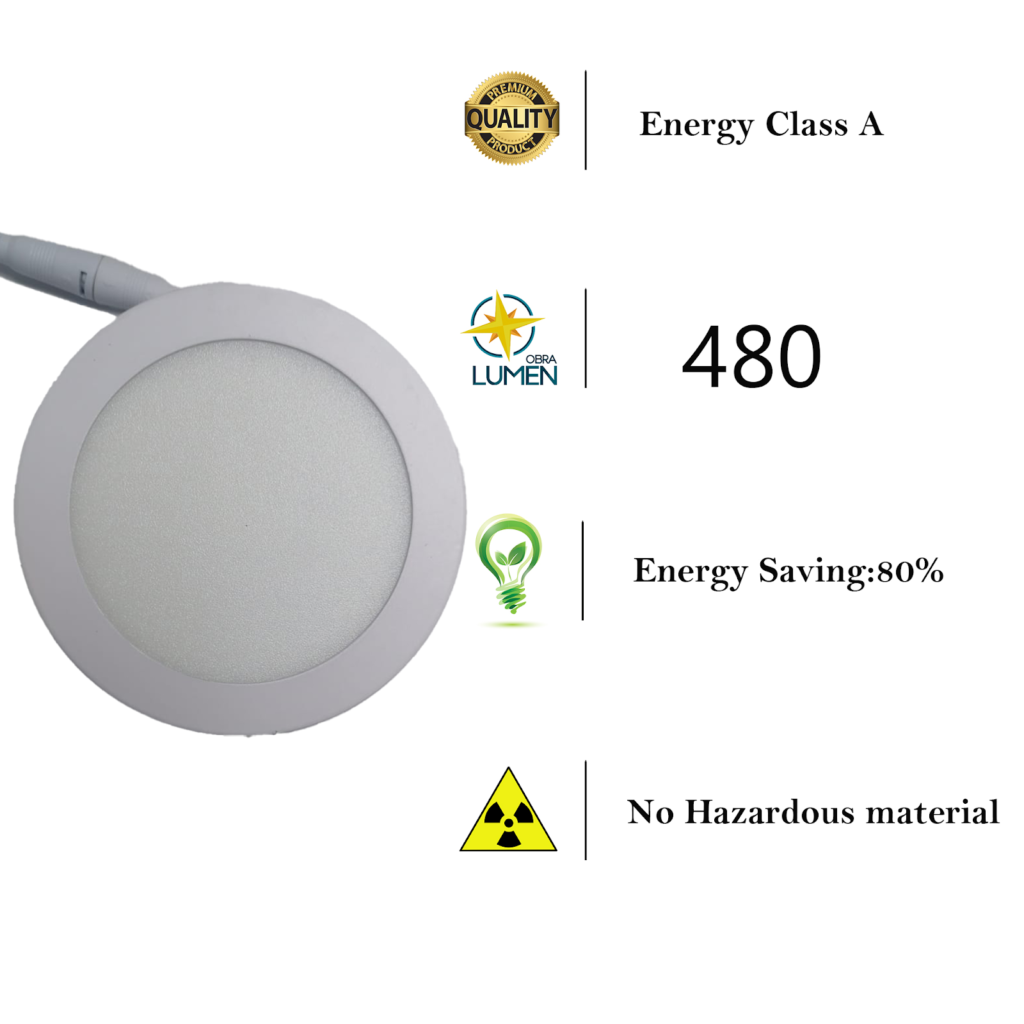
This article will explain the various color temperatures available in the market, their applications and some practical considerations that can help you make a more informed decision.
What is Color Temperature of surface mount led?
Color temperature is measured in Kelvin (K) and it shows what a light source looks like.
It ranges from warm colors to cool colors.
Different temperature colors give different moods and are used in different places.
Types of Color Temperatures
- Warm White (2700K – 3000K)
Characteristics: Warm white LEDs emit a soft, yellowish light similar to traditional incandescent bulbs.
Applications: Ideal for creating a cozy and inviting atmosphere in residential settings, restaurants, and hotels.
- Neutral White (3500K – 4100K)
Characteristics: Neutral white LEDs provide a balanced, neutral light that is neither too warm nor too cool.
Applications: Suitable for general lighting in offices, retail stores, and schools, offering a clean and professional look.
Characteristics: Cool white LEDs produce a bright, bluish light that enhances visibility and contrasts.
Applications: Perfect for task lighting in workshops, hospitals, and commercial spaces where clear visibility is crucial.
Benefits of Various Color Temperatures
- Warm White (2700K – 3000K)
- Comfort and Relaxation: Warm white light creates a calming and comforting environment, making it perfect for living rooms, bedrooms, and dining areas.
- Aesthetic Appeal: It complements traditional and rustic decor styles; thus enhancing the overall warmth as well as charm of such spaces.
- Energy Efficiency: In comparison to conventional incandescent bulbs that consume more power alongside providing adequate illumination level; they are economical on energy saving approaches by generating just enough intensity of illumination necessary with less power usage by warm white LEDs.
- Neutral White (3500K – 4100K)
- Versatility: Neutral white light is versatile, making it suitable for various settings, from offices and classrooms to retail spaces.
- Balanced Illumination: It provides a balanced illumination that reduces eye strain while affinity for clarity and focus.
- Professional Atmosphere: Work environments benefit from this clean and professional atmosphere created by neutral white LEDs in terms of productivity and vigilance.
- Enhanced Visibility: Cool white light offers excellent visibility, making it suitable for task-oriented spaces such as laboratories, workshops, and garages.
- Modern Look: This is the best lighting if you are looking for something modern; especially for contemporary and minimalist designs
- High Contrast: Detail visibility will be great with cool white LEDs since they enhance contrast as well as colors. Thus it has a significant advantage in contexts where precision work is necessary.
How to Choose the Right Color Temperature
- Residential Spaces
Living Rooms and Bedrooms:
Best Choice: Warm White (2700K – 3000K)
Reason: Creates a relaxing and cozy atmosphere, ideal for unwinding and socializing.
Kitchens and Bathrooms:
Best Choice: Neutral White (3500K – 4100K)
Reason: Provides clear, balanced illumination for tasks such as cooking and grooming without being too harsh.
Home Offices and Studios:
Best Choice: Cool White (5000K – 6500K)
Reason: Enhances visibility and focus, making it easier to work on detailed tasks requiring concentration.
- Commercial and Industrial Spaces
Offices and Conference Rooms:
Best Choice: Neutral White (3500K – 4100K)
Reason: Offers a professional environment where employees can concentrate on their duties without straining their eyes.
- Retail Stores & Showrooms:
Best Choice: Neutral White (3500 – 41000k )
Reason: Gives a neutral, flattering light that makes the products look good to the customers.
Workshops and Laboratories:
Best Choice: Cool White (5000K – 6500K)
Reason: Bright high contrast lighting needed for precision work.
- Outdoor Space
Gardens and Landscape Illumination:
Best Choice: Warm White (2700K – 3000K)
Reason: Makes the place more welcoming and nature-friendly by enhancing the beauty of outdoor areas.
Security and Street Lighting:
Best Choice: Cool White (5000K – 6500K)
Reason: Provides clearly lit and brightly illuminated streets, making them safer for motorists.
Practical Considerations When Selecting Color Temperature
- Matching Existing Lighting
When adding a new surface mount led to an existing light network, it is necessary to match the color temperature in order to maintain consistency. Discordantly unbalanced lighting can also be created by mismatched lights.
- Purpose and Functionality
Choose color temperature according to the use of the given area. Warm white is preferred for places requiring relaxation such as bedrooms.
Cool white is better suited for tasks that require precision and clarity like workshops.
- Aesthetic Preferences
Personal preferences and design are significant when choosing color temperature. Some may like the comfortable feel of a warm white while others may opt for cool white because it gives a modern look or appearance which is sharp.
- Energy Efficiency
Specific color temperatures of all LED choices are energy-efficient; however, they may affect energy perception and efficiency. Warmer lights may seem less intense but still offer sufficient brightness, while cooler lights may appear more powerful.
Conclusion
The right color temperature choice for surface mount LEDs means understanding the unique characteristics and applications of warm white, neutral white, and cool white light colors.
You can make a space that improves convenience, productivity as well as visual appeal by aligning color temperature with purpose, aesthetic preference and function.
If you are illuminating an intimate living room, busy office or intricate workshop , your lighting quality and effectiveness can greatly be improved upon by choosing appropriate color temperature. Utilize this adaptability characteristic of surface mount led by picking out a suitable Kelvin rating that goes together with your needs best.
-

Discover the Benefits of 12W LED Panel Light Energy-Efficient Illumination
Introduction
In today’s world, where energy efficiency and sustainability are paramount, 12W LED panel light has emerged as the go-to choice for lighting solutions across various settings. Whether it’s illuminating residential spaces, commercial buildings, or educational institutions, these innovative lighting fixtures offer a myriad of benefits that surpass traditional lighting alternatives.
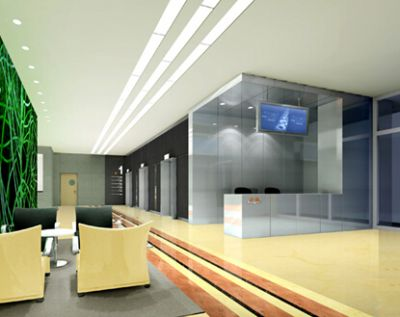
The Science of 12W LED Panel Light
At the heart of 12W LED panel light is cutting-edge LED (Light Emitting Diode) technology. Unlike typical incandescent or fluorescent bulbs, LED lights create light by moving electrons within a semiconductor substance. This technique creates substantially less heat, allowing for a more effective conversion of electrical energy into light.
Advantages of 12w led panel light
- Enhanced Energy Efficiency: One of the most notable aspects of led panel 7000 lumen is their high energy efficiency. These lights save money on electricity costs and reduce carbon emissions since they use less power than typical lighting sources.
- Longevity and Durability: Due to its solid-state architecture, LED panel lights have a remarkable lifespan of 50,000 hours or more. This lifespan leads to fewer replacements, lower maintenance expenses, and less downtime.
- Superior Illumination Quality: 12w led panel light provides strong, consistent illumination throughout an area, increasing visibility and providing a more visually appealing atmosphere. Users may adapt the illumination to their personal needs by selecting from a variety of color temperatures.
Applications for 12W LED Panel Light
- Residential Spaces: From kitchens and living rooms to bedrooms and bathrooms,12w led panel offers energy-efficient and elegant lighting options for houses of all sizes.
- Commercial and industrial settings: Include offices, retail stores, warehouses, and factories, where these lights provide adequate brightness for productivity and safety.
- Educational Institutions: 12w led panel light enables energy savings and less maintenance, resulting in favorable learning settings.
How do 12W LED panel light compare to traditional lighting solutions?
In a comparative examination, led panel 7000 lumen outperform traditional lighting options in numerous important areas:
- Energy Savings: LED technology uses far less energy than incandescent or fluorescent lights, resulting in considerable long-term cost savings.
- Lifespan and Maintenance Costs: LED panel lights have a far longer lifespan than standard bulbs, thus they require fewer replacements, which reduces maintenance costs.
- Environmental Impact: LED lights are eco-friendly, having no harmful components such as mercury and producing reduced amounts of greenhouse gases during operation.
Factors to Consider When Choosing 12w led panel :
When choosing a 12w led panel light for your environment, consider the following criteria.
- Size and form: Make sure the panel’s size and form match the measurements and layout of the area you plan to illuminate.
- Color Temperature: Select a color temperature that matches the environment you want to create, whether it’s warm and inviting or chilly and invigorating.
- Dimming Capabilities: For more control over light intensity, choose LED panel lights with dimming choices.
Tips for Installing and Maintaining 12W LED Panel Lights
Installation and Maintenance Tips for 12W LED Panel Light
In order to maximize the performance and lifespan of 12W LED panel , proper installation and maintenance are necessary:
- Appropriate Mounting Methods: To mount the panels safely and securely, adhere to the manufacturer’s instructions.
- Cleaning and Maintenance: To preserve the best possible lighting output, dust and clean the panels on a regular basis.
- Troubleshooting frequent Issues: To ensure that any issues are resolved quickly, familiarize yourself with frequent problems and their solutions.
Conclusion
In conclusion, 12W LED panel stands out as the top choice for energy-efficient lighting solutions, offering unmatched benefits in terms of energy savings, longevity, and illumination quality. Upgrade your space today and experience the transformative power of LED lighting.
FAQs
Q: Are LED panel lights appropriate for every kind of ceiling?
Due to their versatility, LED panel lights can be mounted on a variety of ceiling materials, such as suspended ceilings, concrete ceilings, and gypsum ceilings.
Q: Are additional wiring requirements for LED panel lights?
LED panel lights are generally simple to install in most residential and business settings because they run on standard electrical wiring.
Q: Is it possible to use LED panel lights outside?
Even if certain LED panel lights are certified for outdoor usage, it’s crucial to verify that the product is suitable for the outdoors by looking over the specs.
Q: Do LED panel lights produce ultraviolet light?
LED panel lights emit less UV radiation than conventional fluorescent bulbs, making them safer to use for extended periods of time.
-

Brighten Your World and Reduce Your Footprint: The Ultimate Guide to Batten Lights
Introduction
In today’s eco-conscious world, sustainable lighting solutions are more crucial than ever. LED batten lights are gaining popularity as a viable option for both residential and commercial applications.

Not only do they provide great brightness and lifespan, but they also consume much less energy, making them ideal for environmentally conscious living.
This detailed article delves deep into the world of batten lights, looking at their benefits, how to install led batten lights on ceiling , and how they can change your environment with attractive, energy-efficient lighting.

What is led batten light?
Batten lights, also known as lighting batten lights, are long, linear light fixtures that are widely used for general lighting.
Traditionally outfitted with fluorescent bulbs, later models have embraced the energy-saving power of LEDs.
These LED batten lights have numerous advantages over their fluorescent counterparts, making them the preferred choice for informed shoppers.
Why Choose LED Batten Lights?
The advantages of including LED batten lights in your lighting design are numerous.

Take a closer look at why they should be your first choice:
- Energy Efficiency: LED lights are advocates for energy conservation.
Compared to fluorescent lights, they can use up to 80% less energy, resulting in significant savings on your electricity cost.
This translates into a lower carbon footprint and a greener planet.
- Long longevity: LED batten lights have an impressive longevity, ranging from 50,000 to 100,000 hours.
This means years of dependable illumination without the need for regular replacements. In comparison, fluorescent lights typically last around 30,000 hours and require more frequent replacement.
- Excellent Brightness: Don’t be deceived by their energy efficiency; LED batten lights provide excellent brightness.
They produce crisp, clear illumination, making them suitable for a wide range of environments, including workshops, garages, basements, and commercial locations.
- Minimal Heat Emission: lighting batten lights emit very little heat, in contrast to other types of lighting.
This is a considerable benefit, particularly in warmer climes or settings where heat buildup is a concern.
Reduced heat emission also means cheaper cooling expenses.
- Versatility and Style: LED batten lights come in a variety of shapes, sizes, and color temperatures.
This allows you to select the ideal lighting for your unique requirements and aesthetic choices. Whether you need cool white light for a workshop or warm white light for a more relaxing setting, there is an LED batten light to suit.
- Environmentally friendly: LED batten lights are certainly better for the environment. Their low energy usage minimizes greenhouse gas emissions, while their lack of mercury eliminates the negative environmental impact associated with standard fluorescent bulbs.
Best led batten lights Applications

LED batten lights are versatile and can be used in a variety of home and commercial settings. Here are some great examples:
- Homes: LED batten lights provide bright and energy-efficient illumination in garages, basements, utility rooms, workshops, laundry rooms, and even kitchens.
- Offices: These lights are ideal for lighting desks, corridors, and common areas in offices. Their extended lifespan and low maintenance needs make them an affordable solution.
- Retail Spaces: Use LED lights to showcase your products in the best light possible. Their bright and even illumination is perfect for retail establishments such as supermarkets and shopping malls.
- Warehouses & Industrial Facilities: LED batten lights are ideal for lighting up huge warehouses and industrial facilities due to their high lumen output and longevity.
- Educational Institutions: LED batten lights have a long lifespan and can save a lot of energy, which makes them a great option for lighting common spaces, corridors, and classrooms at schools, universities, and libraries.
- Hospitals and Healthcare institutions: LED lights are ideal for corridors, waiting rooms, and other spaces in hospitals and healthcare institutions since they emit bright, constant light.
How to Install Batten Light?
While the installation process may vary slightly depending on the specific model, here’s a general guideline

But, Be sure you have the following before beginning the installation process:
- Safety gear: Put your own safety first! Wearing gloves and safety eyewear is a must when handling electrical wiring.
- Screwdriver: To mount the lighting batten lights, a Phillips head screwdriver is usually needed.
- Tools needed: A drill and rawlplugs (for concrete ceilings) are required to fasten the screws when mounting the lamp on a concrete ceiling.
- Wire Cutters and Strippers: These tools will be necessary if you need to adjust the wiring during installation. (Note: In some cases, the wiring may come pre-configured, eliminating this step.)
- Step Ladder: A sturdy step ladder will help you reach the ceiling comfortably.
Here’s a step-by-step guide to how to install led batten lights on ceiling
- Turn Off the Power: Safety is paramount. Always turn off the power supply to the circuit you’ll be working on before starting the installation process. Use a voltage tester to confirm the circuit is off before proceeding.
- Prepare the Installation Location: If replacing existing fluorescent lights, remove them carefully, following the manufacturer’s instructions.
Ensure the electrical wires are properly capped and secured before proceeding.
- Mount the Brackets: Most LED batten lights come with mounting brackets that need to be fixed to the ceiling.
Line up the brackets with the designated screw holes on the light fixture and secure them using the provided screws.
PRO TIP- If installing on a concrete ceiling, pre-drill holes and use rawlplugs for a secure fit.
- Electrical Connection: Refer to the manufacturer’s instructions for specific wiring configurations.
In general, there will be colored wires (typically live, neutral, and earth) on both the light fixture and the existing wiring. Match the corresponding colors (live to live, neutral to neutral, and earth to earth) and securely connect them using wire connectors or terminal blocks provided in the kit.
- Caution: Double-check all connections to ensure they are secure and there are no loose wires.
- Attach the Light Fixture: Once the electrical connections are complete, carefully lift the light fixture and secure it onto the mounted brackets. Depending on the model, there might be screws or clips to fasten the light in place.
- Restore Power: Once everything is securely connected and double-checked, turn the power back on at the circuit breaker. Test the light switch to ensure the LED batten light functions properly.
Conclusion
LED batten lights are a cutting-edge lighting option that provide outstanding energy economy, an extended lifespan, and stunning illumination.
You’ll lessen your energy use and electricity costs by implementing them into your area, and you’ll also be helping to protect the environment.
LED batten lights are an excellent option for both companies and homes due to their adaptability and ease of installation (in most circumstances).
So, feel the power of gorgeous, bright, and sustainable illumination by switching to LED batten lights right now!
-

Elevate Your Indoor Air Quality with Extractor Fans: A Comprehensive Guide
Table of contents:
- Introduction
- Types of Extractor Fans
- Benefits of Using an Extractor Fan
- Factors to Consider When Choosing an Extractor Fan
- Environmental Impact of Extractor Fans
- Conclusion
Introduction
Extractor fans, which are often neglected but are key components of ventilation systems, play an important role in sustaining healthy interior environments. These devices are essential in providing optimum air circulation and quality in a variety of settings, including domestic kitchens and bathrooms, business organizations, and industrial facilities.

This comprehensive guide delves deeply into the world of extractor fans, covering their kinds, benefits, installation, maintenance, troubleshooting, brands, cost analysis, applications, future trends, environmental effect, and regulatory compliance.
Types of Extractor Fans
Extractor fans are available in a variety of configurations, each adapted to individual demands and installation constraints.
- Wall-mounted extractor fans are prevalent in kitchens and bathrooms, effectively expelling moisture and aromas to the outdoors.
- Ceiling-mounted extractor fans, which are ideal for bigger rooms, provide unobtrusive ventilation while retaining aesthetics.
- Inline extractor fans that are built into the ductwork provide strong ventilation solutions while maintaining interior decor.
Benefits of Using an Extractor Fan
The advantages of extractor fans go well beyond simple ventilation. These devices successfully remove airborne contaminants such kitchen odors, tobacco smoke, and volatile organic compounds (VOCs), hence improving indoor air quality.
Extractor fans reduce moisture levels, which inhibits mold and mildew formation and promotes a healthier living environment. Furthermore, they improve general comfort by removing stale scents and preserving a fresh environment.
Embracing extractor fans enhances not only indoor air quality but also overall health and well-being. Experience the benefits firsthand by installing an extractor fan in your space.
Ready to enjoy cleaner, healthier air? Discover how can elevate your indoor environment and take action to improve your well-being today.
Factors to Consider When Choosing an Extractor Fan
When selecting an extractor fan for your space, there are several important factors to consider to ensure that you choose the right one for your needs. These factors include:
- Size and Capacity: One of the most important factors to consider is the extractor fan’s capacity. It should be the right size to efficiently ventilate the space it’s meant for. Larger rooms or areas may need more powerful fans with larger airflow capacity to provide proper ventilation.
- Noise Level: Consider the extractor fan’s noise level, especially if it will be put in a household area like a kitchen or bathroom. Look for models that run softly to reduce interruption, especially during times of relaxation or sleep.
- Energy Efficiency: Choose an extractor fan that is energy-efficient to minimize energy consumption and reduce utility bills. Look for models with high energy efficiency ratings or features such as variable speed controls that allow you to adjust the fan’s speed according to your needs.
- Consider the installation requirements for the extractor fan, such as whether it should be wall-mounted, ceiling-mounted, or inline. Ensure that you have the appropriate space and infrastructure to install the fan.
- Ducting and Ventilation: Make sure that the extractor fan’s ducting and ventilation meet the criteria for proper airflow and ventilation. Consider installing more ducting or ventilation systems to increase the fan’s performance.
- Moisture Resistance: If the extractor fan will be installed in a damp or humid environment, such as a bathroom or laundry room, choose a model that is moisture-resistant or specifically designed for such conditions. This will help prevent damage and ensure longevity.
By carefully considering these factors and conducting thorough research, you can select the right extractor fan that meets your ventilation needs and preferences effectively.
Environmental Impact of Extractor Fans
The environmental impact of extractor fans is an important consideration, as these ventilation systems play a significant role in indoor air quality while consuming energy and potentially contributing to carbon emissions. Here are key aspects to consider:
- require power to function, which contributes to overall energy consumption in buildings. The environmental effect varies based on fan size, motor efficiency, and usage patterns. Energy-efficient versions can assist cut power use and lower the carbon footprint connected with ventilation.
- Carbon Emissions: The power utilized by extractor fans is frequently generated using fossil fuels, resulting in carbon emissions and environmental contamination. Minimizing energy usage by using energy-efficient fans, renewable energy sources, or carbon offsets can all assist in reducing the environmental effect.
- Indoor Air Quality Improvement: Despite their environmental impact, extractor fans play a crucial role in improving indoor air quality, removing pollutants, and preventing mold and mildew growth. By ensuring proper ventilation, contributes to the health and well-being of building occupants, reducing the need for energy-intensive air purification systems or medical treatments due to poor indoor air quality.
Overall, while extractor fans contribute to energy consumption and carbon emissions, their role in improving indoor air quality is essential for human health and comfort. By adopting energy-efficient practices, choosing eco-friendly products, and adhering to regulatory standards, the environmental impact of extractor fans can be minimized, contributing to sustainability in building operations.
Conclusion
In conclusion, extractor fans are indispensable for maintaining clean and healthy indoor environments by removing pollutants, controlling moisture levels, and ensuring proper ventilation. By understanding the types, benefits, installation process, maintenance tips, brands, cost analysis, applications, future trends, environmental impact, and regulatory compliance of extractor fans, you can make informed decisions to optimize indoor air quality and create a healthier living or working environment.
Ready to improve your indoor air quality and create a healthier environment? Take action today by installing an extractor fan tailored to your needs.
Explore our comprehensive guide and make informed decisions for cleaner indoor air.
-

Mastering LED Light Downlights for Modern Spaces
Table of content
- Introduction
- Types of LED Downlight Lights
- Factors to Consider Before Installation
- Choosing the Right LED Downlight Lights
- FAQs
- Conclusion
Introduction
LED downlight lights are the pinnacle of modern illumination, providing a stylish and energy-efficient lighting option for contemporary environments.
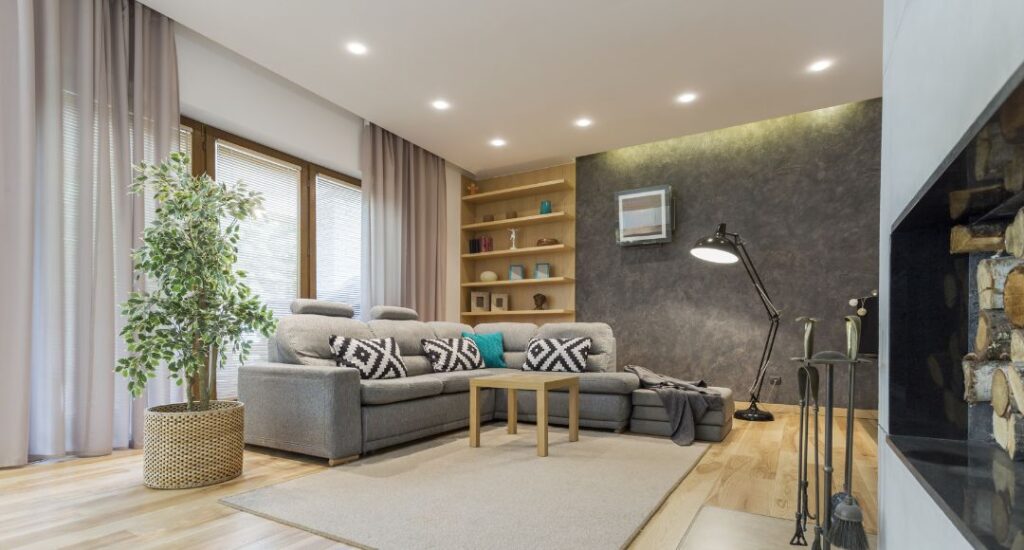
Let’s go into the complexities of using LED downlights to brighten your modern oasis.
Understanding the Basics
At the core of LED downlight lights lies cutting-edge technology that ensures optimal brightness while minimizing energy consumption.
Unlike traditional lighting fixtures, LED downlight lights emit light in a downward direction, providing focused illumination with minimal glare.
Advantages Of Traditional Lighting
The switch to LED downlight lights offers several advantages, ranging from energy efficiency to increased lifetime. LED downlights utilize much less energy than incandescent or fluorescent bulbs, resulting in lower utility costs and environmental effects. Furthermore, their longer lifespan requires fewer replacements, saving both time and resources.
Types of LED Downlight Lights
LED downlight lights come in various forms, each tailored to suit different aesthetic preferences and spatial requirements.
- Recessed downlights.
Recessed downlights integrate perfectly into the ceiling, creating a clean and simple lighting solution. Recessed downlights are ideal for places with low ceilings or those seeking a streamlined appearance since they give adequate lighting without obstructing the visual space.
- Surface Mounted Downlights
Surface-mounted downlights, as the name suggests, are affixed directly onto the surface of the ceiling. This versatile option is perfect for spaces where a recessed installation is impractical or undesirable, adding a touch of sophistication while delivering optimal brightness.
- Adjustable Downlights
For spaces that require flexibility in lighting direction, adjustable downlights offer a customizable solution. With the ability to pivot or swivel, these fixtures enable precise control over the direction of light, allowing you to highlight specific architectural features or focal points.
Factors to Consider Before Installation
Before embarking on the installation of LED downlights, several key factors merit consideration to ensure optimal performance and aesthetics.
- Room Size and Layout
The size and layout of the room play a crucial role in determining the number and placement of downlights. Larger spaces may require multiple fixtures to achieve uniform illumination, while compact areas may suffice with fewer units strategically positioned for maximum coverage.
- Color Temperature and Mood
The color temperature of LED downlights may affect the atmosphere and mood of a room. Warm tones produce a pleasant and friendly ambiance, suitable for home settings or small gatherings, whilst colder tones generate a feeling of modernism and concentration, excellent for commercial or workplace spaces.
- Dimming capabilities
Investing in dimmable LED downlights provides unrivaled lighting control versatility. Whether you’re holding a dinner party or giving a presentation, the flexibility to change the brightness depending on the event improves atmosphere and usefulness.
Choosing the Right LED Downlight Lights
Selecting the perfect LED downlights entails evaluating various factors to ensure compatibility and performance.
- Energy Efficiency Ratings
When looking for LED downlight lights, choose those with good energy efficiency ratings, such as ENERGY STAR certification. These lights use innovative technology to reduce energy usage while maintaining brightness and quality.
- Quality of light output
The quality of light output is critical for producing a visually pleasing and pleasant workplace. Choose LED downlights with a high Color Rendering Index (CRI) to ensure accurate color reproduction and improved visual clarity.
- Compatibility with Smart Home Systems
In an increasingly connected world, integrating LED downlights with smart home systems offers unparalleled convenience and control. Look for fixtures compatible with popular platforms like Alexa or Google Assistant, allowing you to adjust lighting settings with simple voice commands or smartphone apps.
FAQs
- What are the main advantages of LED downlights over traditional lighting?
LED downlights offer superior energy efficiency, longevity, and durability compared to traditional incandescent or fluorescent bulbs. They also provide more focused illumination with minimal heat emission, reducing the risk of fire hazards.
- How do I choose the right LED downlights for my space?
Consider factors such as room size, layout, color temperature preferences, and dimming capabilities when selecting LED downlights. Opt for models with high energy efficiency ratings and compatibility with smart home systems for added convenience and control.
- Are LED downlights difficult to install?
While installation complexity may vary depending on factors such as ceiling type and wiring configuration, LED downlights are generally straightforward to install with basic tools and DIY skills. However, for optimal safety and performance, it’s advisable to consult a qualified electrician for professional installation.
- Can LED downlights be used outdoors?
Yes, LED downlights are suitable for outdoor applications such as porch lighting, pathway illumination, or accentuating landscaping features. Ensure that the fixtures are rated for outdoor use and properly sealed to withstand exposure to moisture, dust, and other environmental factors.
- Do LED downlights require regular maintenance?
While LED downlights have a longer lifespan and lower maintenance requirements compared to traditional lighting fixtures, periodic cleaning and inspection are recommended to ensure optimal performance. Remove dust and debris from the surface of the fixtures regularly to maintain brightness and efficiency.
Conclusion
In conclusion, mastering LED downlight lights for modern spaces offers a myriad of possibilities for illuminating your environment with style, efficiency, and sophistication. By understanding the basics, exploring different types, and considering key factors before installation, you can harness the full potential of LED downlights to transform your space into a beacon of brilliance. Whether you’re aiming to enhance ambiance, improve energy efficiency, or simply elevate the aesthetics of your surroundings, LED downlights provide a versatile and sustainable lighting solution for the modern era.
-

Explore technological advancements in downlight lights industry
Table of Contents:
- Introduction
- Evolution of Downlight Lights
- Current Trends in Downlight Technology
- Technological Advancements in Downlight Industry
- Benefits of Upgraded Downlight Technology
- Impact on Interior Design
- Challenges and Solutions
Introduction
Downlights have become vital in modern illumination, and as we navigate the challenges of lighting technology, it is critical to investigate the intriguing world of technical breakthroughs within the downlight sector.
The article seeks to shed light on the evolution, current trends, and numerous benefits of adopting the most recent advances in downlight technology.
Evolution of Downlight Lights
Downlight lights have their origins in basic illuminators that were designed to provide light. However, as technology advanced, so did the use of downlights.
Early versions were utilitarian, concentrating simply on utility. In today’s setting, these fixtures have grown into sophisticated interior design pieces that effortlessly combine beauty and functionality. Downlights have evolved to become fundamental components of modern living environments, reflecting customers’ changing demands and tastes.
Current Trends in Downlight Technology
Keeping up with current trends is critical in any fast-expanding business, and the downlight sector is no different.
As we investigate contemporary trends, we discover a tapestry of breakthroughs.
- Smart lighting integration.
- Current advancements in downlight technology include customizable color temperatures and eco-friendly materials.
These innovations not only improve the user experience but also contribute to sustainable practices, which match with the worldwide trend toward environmentally aware living.
Technological Advancements in Downlight Industry
The heart of this article is an investigation of the revolutionary technology developments moving the downlight sector ahead.
Smart controls, wireless connection, and energy-saving capabilities have all become essential components of current downlight lights technology.
Consider the simplicity of modifying lighting settings via a smartphone, or the energy savings obtained by intelligent lighting systems. These innovations not only make downlights more efficient, but they also contribute to the larger smart home ecosystem, resulting in seamless and linked living spaces.
Benefits of Upgraded Downlight Lights Technology
Upgrading to improved downlight lights technology isn’t just an option; it’s a deliberate step toward a more efficient and sustainable future. The advantages are multifarious.
Energy efficiency is a significant component, with LED lighting and sophisticated controls that optimize power use. The longer lifespan of improved downlights decreases the frequency of replacements, resulting in long-term cost benefits.
Furthermore, better lighting improves the entire atmosphere, making the place more comfortable and visually appealing.
Impact on Interior Design
The use of modern downlight technology has a significant impact on interior design in addition to its utility.
Designers now have a diverse range of lighting options at their disposal, allowing them to create environments that effortlessly combine beauty and functionality.
Downlights have become vital tools for interior designers looking to create distinctive and immersive settings, whether by emphasizing architectural details, creating focus points, or boosting the overall atmosphere of a place.
Challenges and Solutions
There are always obstacles associated with technical advancement.
As we progress through this part, we will learn about the challenges that the downlighting business faces.
The integration of new technology, market competitiveness, and the critical requirement for sustainable materials provide continual problems.
However, the industry’s resilience is demonstrated by the inventive solutions that emerge in response. From producing more sustainable materials to designing user-friendly installation techniques, the difficulties drive ongoing innovation and contribute to the industry’s growth.
Conclusion
As we complete our investigation of technical breakthroughs in the downlight business, we consider the important knowledge from this informative journey. The industry’s trajectory is defined by a dedication to innovation, tenacity in the face of adversity, and a never-ending quest to invent lighting solutions that improve both form and function. From historical history to future prospects, the downlight business remains a shining example of advancement in the larger landscape of lighting technology.