Your cart is currently empty!
Author: ebrahemwaheed
-

Transform Your Environment with Music Sync RGB Light Strip
Introduction
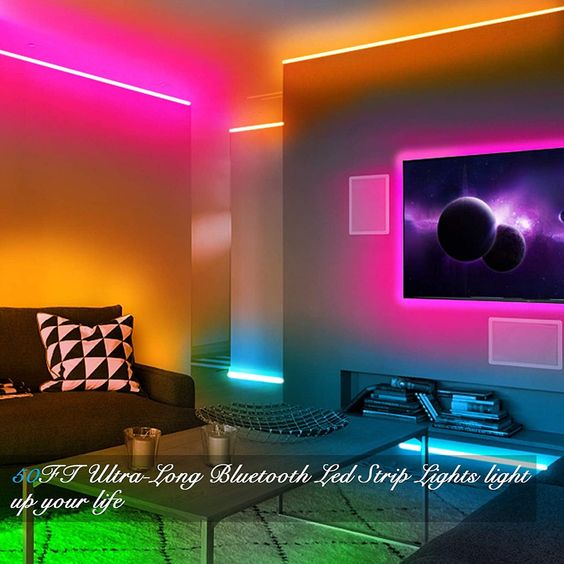
Gone are the days of static lighting. Today, technology offers a dynamic and captivating way to elevate your space: RGB light strip with music sync capabilities. These innovative LED wonders transcend mere illumination, morphing your environment into a symphony of color that dances in perfect harmony with your favorite tunes.
What are the Music Sync RGB Light Strips?
RGB light strip, which stand for Red, Green, and Blue, are thin, flexible lines holding LED lights that may produce a wide range of colors. Music sync feature extends this by providing the lights with a built-in microphone or app connectivity, allowing them to respond to music. This results in a spectacular light show in which the colors shift and pulse in reaction to the rhythm and melody of your chosen soundtrack.
Enchanting Advantages of Music Sync RGB Light Strips
1) Immersive Entertainment:
Take your movie evenings, gaming sessions, and dance parties to a new level. Music-synchronized RGB light strips create a compelling environment that draws you further into the on-screen action. Consider cinematic explosions mirrored by bright bursts of light, or fast-paced video game chases reflected in a frenzy of color changes.
2. Ambiance for All Moods:
Gone are the days of glaring overhead lighting. With music sync RGB light strips, you can create a unique atmosphere for every event. Do you want a relaxing evening? Choose gradual, transitional colors in relaxing tones such as blues and green. Feeling energized? Turn up the music and see the lights react with a spectacular display of dynamic hues.
3. Enhance Creativity:
Music sync RGB light strips may inspire musicians, artists, and anybody looking for a stimulating setting. The combination of light and sound may create a visually engaging environment that encourages concentration and fires the creative spark.
4. Smart Home Integration:
Many music sync RGB light strips include smart home connection, which allows you to control them with your smartphone or voice assistants such as Google Assistant or Amazon Alexa. This allows you to easily personalize your lighting experience. Consider dimming the lights or changing the color palette with a simple voice command.
5. Simple Installation and Customization:
Music sync RGB light strips are designed for easy installation. Most include adhesive backing, which allows for quick and easy mounting on a variety of surfaces. Many are also cuttable, allowing you to alter the length to match your specific location.
Choosing the Perfect Music Sync RGB Light Strips
With a plethora of options available, selecting the ideal music sync RGB light strip can feel overwhelming. Here are some key factors to consider:
- Length: Measure the area you want to illuminate and choose a strip length with some extra slack for potential customization.
- Color Options: Consider the color spectrum offered by the light strip. Some offer a basic RGB range, while others boast advanced features like millions of color options or tunable white light.
- Music Sync Technology: Look for strips with a built-in microphone or app integration for music syncing. Consider the responsiveness and available customization options for the light show.
- Control Options: Choose between basic on/off switches, remote controls, or smartphone app control for ultimate convenience.
- Smart Home Compatibility: If you have a smart home setup, ensure the light strip integrates with your existing system for seamless control.
- Adhesive Backing: Strong adhesive backing ensures a secure and long-lasting installation.
Conclusion
Music sync RGB light strips are more than simply a technological marvel; they’re a way to change your home. They provide limitless opportunities for creating immersive entertainment experiences, establishing the ideal atmosphere, and cultivating a stimulating environment. So, let your imagination run wild, embrace colorful colors, and let music brighten your day!
-

Safety First: Tips for Safely Installing 6mm Twin and Earth Cable 10m
Introduction
6mm Twin and Earth Cable 10m is a form of electrical cable that is widely used in both residential and commercial settings for a variety of purposes, including lighting circuits, power outlets, and appliances. Its adaptability and durability make it a popular choice for electricians and DIY enthusiasts alike.
Importance of Safety in Electrical Installations
Safety should always be the foremost concern when dealing with electrical installations. Mishandling electrical wiring can lead to severe injuries, fires, or even fatalities. Therefore, understanding and implementing safety measures are crucial to protecting yourself and others from potential hazards.
Understanding 6mm Twin and Earth Cable
- Composition and Structure
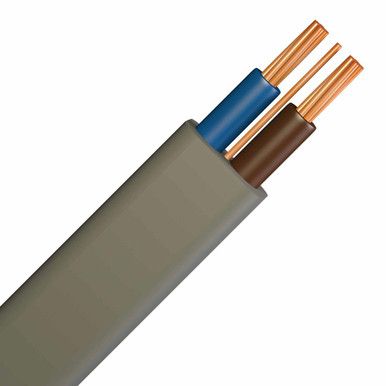
6mm Twin and Earth Cable 10m is made up of two insulated conductors—live and neutral—along with a bare earth wire for grounding reasons. Conductors are commonly composed of copper or aluminum and insulated with PVC to protect against moisture and abrasion.
Common Applications
This type of cable is widely used in permanent wire installations to supply lighting circuits, outlets, and appliances with moderate electrical demands. Its strong structure and large capacity make it suited for a variety of household and business uses.
Safety Precautions Before Installation
Before embarking on the installation process, it’s essential to take several safety precautions to minimize risks and ensure a smooth installation process.
- Assessing Electrical Load
Before selecting the cable size and type, assess the electrical load requirements to ensure compatibility and prevent overloading the circuit.
- Checking for Compatibility
Verify that the 6mm Twin and Earth Cable is compatible with the intended application and meets relevant electrical standards and regulations.
- Ensuring Proper Insulation
Inspect the cable for any signs of damage or deterioration in insulation, as compromised insulation can pose a significant safety risk.
Tips for Safely Installing 6mm Twin and Earth Cable
- Proper Tools and Equipment
Gather all the necessary tools and equipment, including wire cutters, strippers, screwdrivers, and cable clips, to facilitate a safe and efficient installation process.
- Secure Installation Techniques
Ensure that the cable is securely fixed and supported along its route to prevent strain or damage to the conductors. Use appropriate cable clips or conduit where necessary.
- Following Manufacturer Guidelines
Refer to the manufacturer’s instructions and guidelines for proper installation techniques and recommended practices specific to the 6mm Twin and Earth Cable.
Step-by-step Installation Technique
- Planning the route
Carefully design the cable path, taking into account accessibility, closeness to other cables or pipelines, and each circuit’s electrical load needs.
- Measurement and Cutting
Measure and cut the cable to the appropriate length, leaving enough slack for terminations and future maintenance.
- Stripping and terminating
Wire strippers are used to remove the insulation from the ends of the wires, which are then securely terminated with suitable connectors or terminal blocks.
- Securing and Testing
Secure the cable in place using cable clips or conduit, making sure it’s properly supported and protected from physical harm. Once fitted, test thoroughly to ensure appropriate continuity and insulation resistance.
Common Mistakes to Avoid
Avoid common mistakes such as overloading circuits, using incorrect cable sizes, improper termination techniques, and inadequate insulation, as these can compromise safety and performance.
Maintenance and Care Tips
Regularly inspect and maintain the electrical wiring to ensure continued safety and reliability. Keep the area around electrical installations clear of debris and obstructions, and promptly address any signs of damage or deterioration.
Conclusion
Safety should always be the top priority when installing electrical wiring, especially when dealing with 6mm Twin and Earth Cable. By following the tips and precautions outlined in this guide, you can ensure a safe and successful installation process, protecting yourself and others from potential hazards.
-

DIY Guide: Installing RGB Light Strips Like a Pro
Introduction
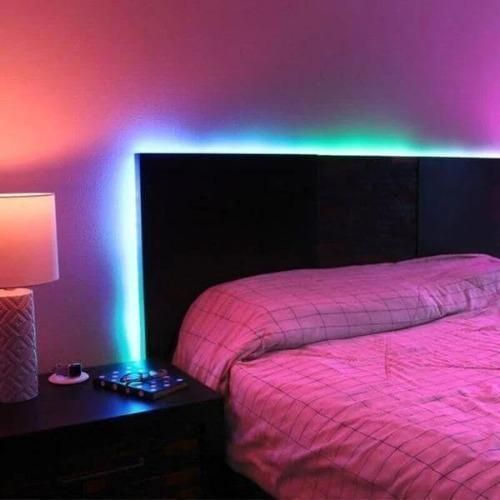
RGB light strips are flexible, adhesive-backed strips that contain individual red, green, and blue LED lights. By combining these primary colors in various intensities, RGB light can produce a wide spectrum of colors, allowing for endless customization possibilities.
Understanding RGB Light Strips
What are RGB Light Strips?
RGB light consist of multiple LED lights arranged along a flexible circuit board. These lights can be controlled individually or as a group, giving you precise control over color and brightness.
Types of RGB Light Strips
RGB light come in two main types: standard and smart.
- Standard RGB Light Strips:
Standard RGB light IS the classic form of RGB lighting. These strips require a separate controller to operate. The controller allows users to manually modify the color, brightness, and lighting effects. Standard RGB light strips are an affordable way to add colored accent lighting to a variety of areas.
- Smart RGB Light Strips:
Smart RGB light include built-in technology that allows them to be controlled remotely via a smartphone app or a smart home system. These strips have advanced capabilities like voice control, scheduling, and compatibility with other smart devices. Smart RGB light are great for consumers who wish to tailor their lighting experience while also enjoying the ease of wireless control.
Both types of RGB light strips offer versatility and can be used to create stunning visual effects in homes, businesses, and entertainment spaces. Whether you prefer the simplicity of standard RGB light or the convenience of smart technology, there’s a solution available to suit your needs.
Benefits of Using RGB Light Strips
- Create Custom Lighting Effects
- Energy-Efficient
- Easy to Install and Maintain
Planning Your Installation
Before you begin installing RGB light, it’s essential to plan out your installation carefully.
- Choosing the Right Location.
Consider where you want to place the light strips and how you want to utilize them. Popular spots include beneath cabinets, along shelves, and behind furniture.
- Measuring and Estimating Length
Measure the length of the area where you intend to put the light strips and determine the total length of strips required.
Gathering Necessary Tools and Materials
To install RGB light , you’ll need a few basic tools and materials.
Tools Required
- Scissors
- Tape Measure
- Wire Cutters
- Screwdriver
Materials Required
- RGB Light
- Power Supply
- Controller
- Connectors (if needed)
Preparing the Installation Area
Before installing the light strips, be sure to thoroughly prepare the installation location.
- Cleaning and Preparing the Surface
Clean the surface where you intend to install the light strips to ensure optimum adherence. Clean any dust, filth, or grease using a light detergent and water.
- Ensuring proper ventilation
Make sure the location where you’re placing the LED strips has enough airflow to avoid overheating.
Installing RGB Light Strips.
It’s now time to install the RGB light, following these step-by-step instructions.
Step-by-step installation guide
- Measure and cut the light strips to the appropriate length.
- Peel the backing away from the adhesive strip on the back of the light strips.
- Press the light strips firmly onto the cleaned surface, making sure they are perfectly aligned.
- Connect the light strips to the controller and power supply according to the manufacturer’s instructions.
- Test the lights to make sure they are operating properly.
Tips for Secure Installation
- Do not bend or twist the light strips excessively.
- If necessary, use more glue or mounting clips to provide further support.
Testing and Fixing
- It’s crucial to test the light strips after installation to make sure they are operating properly.
- Verify that every connection is placed correctly and securely.
- Verify the power source and connections if the lights aren’t coming on.
- Make sure the controller settings are correctly adjusted if the colors are off.
Conclusion
Installing RGB light strips is a fun and creative way to enhance any space. With the right tools and materials, you can transform your home into a colorful oasis. Follow the steps outlined in this guide, and you’ll be well on your way to enjoying the benefits of RGB lighting.
-

Exploring Different Types of LED Strip Lights
Table of content
- Introduction
- Different types of LED strip lights
- Applications of LED strip lights
- Conclusion
Introduction
LED strip lights have evolved as a versatile and popular lighting option for both residential and commercial applications.
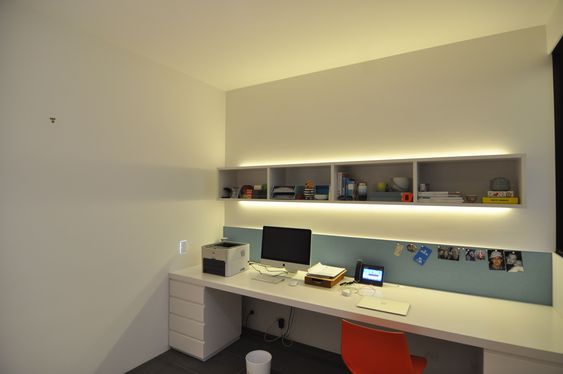
These revolutionary lights provide versatility, energy economy, and aesthetic appeal, making them an ideal choice for a variety of applications.
Let’s look at the many types of LED strip on the market and see what makes them special.
1. Flexible LED Strip Lights
Flexibility is a key aspect of LED lights, and flexible variations take it to the next level. These strips are intended to easily bend and contour over corners, curves, and uneven surfaces.
They are available in a variety of lengths and can be trimmed to fit any area, making them ideal for bespoke lighting solutions.
Flexible LED strip are perfect for accent lighting, under-cabinet illumination, and other imaginative decorative uses.
2. Waterproof LED strip lights.
Outdoor and moisture-prone interior spaces require lighting systems that can survive adverse circumstances.
Waterproof LED strip lights are designed to withstand water, dust, and humidity, making them ideal for outside landscapes, bathrooms, kitchens, and swimming pools.
These lights are long-lasting and reliable, even in harsh conditions, thanks to their strong weather resistance.
3. RGB LED lights.
RGB LED strip lights are ideal for individuals looking for dramatic and bright lighting alternatives.
These lights use red, green, and blue LEDs to generate a variety of hues. RGB LED , with their capacity to generate millions of colors and dynamic lighting effects, provide limitless ambiance customization options.
They are frequently utilized in entertainment rooms, gaming installations, and architectural accent lighting to offer a pop of color and excitement.
4. Tunable White LED Lights
Tunable white LED strip have changeable color temperatures, allowing customers to choose among warm, cold, or neutral white light tones.
This adaptability makes them excellent for locations that require a variety of lighting environments, such as businesses, retail establishments, and home interiors.
Tunable white LED strip may boost productivity, create welcoming spaces, and easily compliment a variety of design styles.
5. High CRI LED Lights
Color Rendering Index (CRI) is an important consideration in lighting design, particularly in situations where correct color representation is required.
High-CRI LED lights provide exceptional color rendering capabilities, making colors look true to life and bright. These lights are used in retail environments, art galleries, and photographic studios where color fidelity is critical.
High-CRI LED lights improve visual comfort and attractiveness by providing high-quality illumination to rooms.
Applications of LED Strip lights
1. Home Lighting
LED lights can be used under cabinets, along staircases, or behind furniture to add ambiance and improve visibility.
2. Commercial Lighting
In retail settings, LED strip can highlight displays and products, attracting customers’ attention and enhancing the shopping experience.
3. Architectural Lighting
LED strip are commonly used to accentuate architectural features, such as coves, tray ceilings, and outdoor facades, adding drama and visual interest to buildings.
Conclusion
In conclusion, LED strip come in a multitude of types, each catering to specific lighting needs and preferences. Whether you’re looking for flexibility, durability, color versatility, or color accuracy, there’s a LED strip light option to suit your requirements.
By exploring the different types of LED lights available, you can find the perfect lighting solution to illuminate and enhance any space.
-

Illuminating Insights: Mastering the Art of Cleaning Your Home Office Lights for Enhanced Productivity
Introduction
In today’s fast-paced world, where the boundaries between work and home are becoming increasingly blurred, a well-lit and organized home office is essential for maintaining focus and boosting productivity. Among the various elements contributing to the ambiance of your workspace, home office lights play a pivotal role in creating an environment conducive to work. However, the brightness and longevity of these lights can diminish over time without proper care and maintenance.
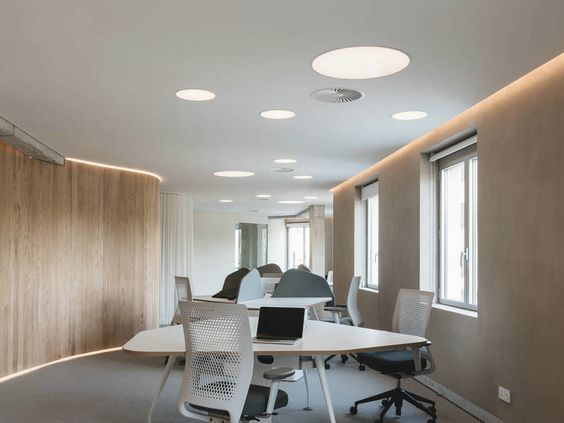
Understanding the Importance of Clean Home Office Lighting
Before getting into how to clean your home office lights, it’s important to understand why this chore is necessary. Clean lights not only illuminate your workstation more efficiently, but they also help to create a healthier and more visually appealing atmosphere. Dust, filth, and grime collection on light fixtures can reduce the brightness of the bulbs, resulting in diminished vision and significant eye discomfort.
Step-by-Step Cleaning Guide for Home Office Lights
1. Preparation is Key
Begin by gathering the necessary supplies for cleaning your home office lights. You will need a microfiber cloth, a gentle cleaning solution (such as diluted dish soap or vinegar), a step ladder (if necessary), and a dry cloth for drying.
2. Power Off and Cool Down
Before starting the cleaning process, ensure that the lights are turned off and have cooled down sufficiently to avoid any risk of burns or electrical hazards.
3. Remove Dust and Debris
Using a dry microfiber cloth, gently wipe away any dust or debris accumulated on the surface of the light fixtures. Pay close attention to areas where dust tends to accumulate, such as around bulbs and in crevices.
4. Clean with Gentle Solution
Dampen the microfiber cloth with the cleaning solution and carefully wipe down the light fixtures, ensuring thorough coverage. Avoid using harsh chemicals or abrasive materials that could damage the fixtures.
5. Dry Thoroughly
Once the fixtures have been cleaned, use a dry cloth to remove any excess moisture and ensure that they are completely dry before turning the lights back on.
6. Regular Maintenance
Make it a habit to clean your home office lights regularly to prevent dust and grime buildup. A weekly or bi-weekly cleaning routine can help maintain the brightness and longevity of your lights effectively.
Beyond the practical aspects of cleanliness, there’s a psychological benefit to having a well-maintained workspace. A clean and well-lit environment can positively impact your mood and mindset, fostering a sense of clarity and focus that is essential for productivity.
Conclusion
In conclusion, mastering the art of cleaning your home office lights is not only about maintaining their brightness but also about creating an environment that fosters productivity and well-being. By following the simple yet effective techniques outlined above, you can ensure that your workspace remains illuminated and conducive to achieving your professional goals. Incorporate these cleaning practices into your routine, and watch as your productivity soars in a bright and well-maintained home office environment.
-

Modernize Your Space Round LED Panel Light vs Traditional Ceiling Lights
Table of content
- Introduction
- Understanding the Round LED Panel Lights
- Advantages of Round LED Panel Light
- Exploring Traditional Ceiling Lights
- Definition and features
- Comparing Round LED Panel Light and Traditional Ceiling Lights
- Conclusion
Introduction
In the realm of interior design, lighting plays a pivotal role in setting the ambiance and functionality of a space. As technology continues to evolve, the choice between traditional ceiling lights and modern alternatives like round LED panel light has become a focal point for those seeking to modernize their living or work environments.
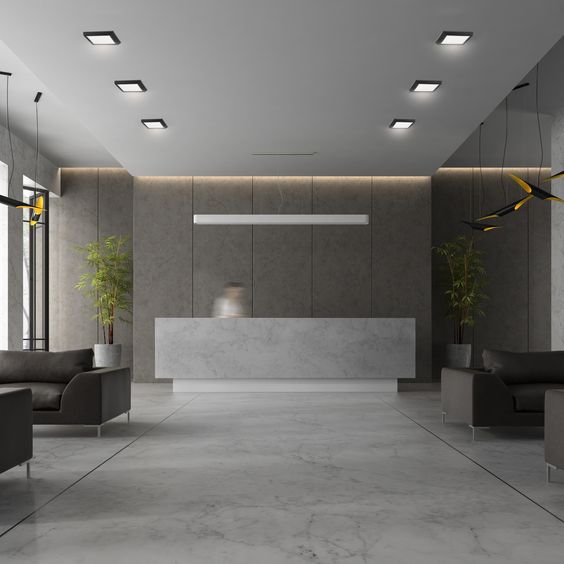
Let’s delve into the intricacies of both options and explore which one might best suit your needs.
Understanding the Round LED Panel Light
What is a circular LED panel light?
Round LED panel lights are revolutionary lighting solutions known for their elegant style and energy-efficient performance. They are made up of a thin, flat panel embedded with light-emitting diodes (LEDs), which diffuse light uniformly across a surface, resulting in uniform lighting.
Advantages of Round LED Panel Light
These lights have various advantages over standard ceiling lighting. They are extremely energy-efficient, using substantially less electricity to provide the same or even brighter light output. Furthermore, spherical LED panel lights have a longer lifespan, requiring fewer replacements and maintenance.

Exploring Traditional Ceiling Lights
Traditional ceiling lights, while familiar and useful, have unique qualities and limits.
Definition and features
Traditional ceiling lights include a range of fixtures, such as chandeliers, pendant lights, and flush mounts. They often have incandescent or fluorescent lamps encased in beautiful or functional casings.
Limitations of conventional ceiling lighting
Traditional ceiling lights, despite their ubiquitous use, have shortcomings when compared to LED counterparts. They are less energy efficient, producing more heat and using more power. Furthermore, their lifespan is limited, necessitating frequent bulb replacements.
Comparing Round LED Panel Light and Traditional Ceiling Lights
- Energy efficiency and cost effectiveness
One of the key differences between round LED panel lights and traditional ceiling lights is their energy consumption and cost-effectiveness.
LED panel lights consume up to 80% less energy than traditional lighting, resulting in significant long-term savings on power expenses.

- Design and aesthetics.
In terms of style and aesthetics, circular LED panel lights have a sleek, modern appearance that blends into current settings. They come in a variety of sizes and forms, providing for greater design flexibility.

Traditional ceiling lights, on the other hand, may include more elaborate or historic designs, but they frequently lack the clean lines and simple attractiveness of LED panels.
- Installation and Maintenance
Round LED panel lights are easy to install, with minimum wiring and installation required. Once installed, they require little to no care other than the occasional cleaning.

Traditional ceiling lights can be more difficult to install, particularly for bigger fixtures, and may need expert assistance. They may also require more regular maintenance owing to bulb replacement and cleaning.
Environmental Impact
- Sustainability concerns.
In today’s ecologically concerned society, the longevity of lighting solutions is critical to consider. Round LED panel lights are ecologically beneficial, producing less CO2 and other pollutants than conventional lights. They are also recyclable, which reduces their environmental effect.
- Carbon footprint comparison.
LED panel lights offer a substantially smaller carbon footprint than conventional lighting due to their energy efficiency and endurance. Individuals and organizations may cut their overall carbon emissions by converting to LED lighting, helping to create a greener, more sustainable future.
Versatile and adaptable
- Customization options
Round LED panel lights include a variety of customization options, such as dimmable controls, color temperature changes, and smart lighting integration. This adaptability enables users to modify the lighting to their unique requirements and tastes, therefore improving the overall ambience of a room.
- Compatible with contemporary technologies.
Round LED panel lights are compatible with a wide range of current technologies, including motion sensors, timers, and voice control systems. This integration improves ease and energy efficiency, bolstering their attractiveness in modern environments.
Market Availability and Accessibility
- Availability in local markets
Round LED panel lights are readily available in local markets, home improvement stores, and specialty lighting retailers. They come in a variety of sizes, shapes, and specifications to suit different applications and budgets, making them accessible to consumers worldwide.
- Online purchasing options
In addition to local retailers, round LED panel lights can be purchased online through various e-commerce platforms and lighting suppliers. Online purchasing offers the convenience of browsing and comparing products from the comfort of home, with doorstep delivery and hassle-free returns adding to the appeal of online shopping.
Conclusion
In conclusion, the choice between round LED panel lights and traditional ceiling lights ultimately depends on individual preferences, budget constraints, and practical considerations. While both options have their merits, LED panel lights stand out for their energy efficiency, longevity, and versatility, making them an attractive choice for modernizing living and workspaces.
Whether you’re looking to enhance the ambiance of your home or improve the efficiency of your office lighting, round LED panel lights offer a sustainable and stylish solution that meets the demands of today’s discerning consumers.
-

Exploring the Advantages of Ultra-Thin Design LED Office Panel Lights
Table of contents:
- Introduction
- Understanding LED Office Panel Lights
- The Advantages of Ultra-Thin Design
- Applications in Modern Office Spaces
- FAQ
- Conclusion
Introduction
In today’s fast-paced corporate world, it is critical to create an environment that promotes productivity and efficiency.
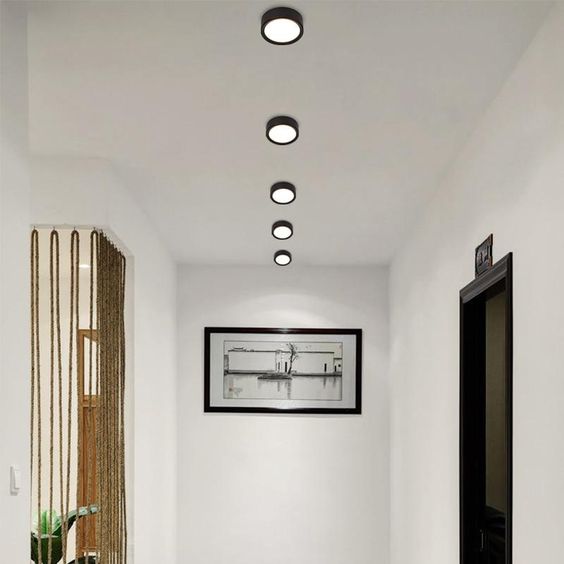
Lighting is an important consideration that is often disregarded.
LED office panel lights have transformed the way we brighten our offices, providing several benefits over traditional lighting systems.
In this detailed guide, we will dig into the numerous benefits and uses of ultra-thin design LED, throwing light on why they are so important in modern office environments.
Understanding LED Office Panel Lights
LED office panel lights are cutting-edge lighting solutions intended to fulfill the unique needs of modern workplaces. These thin, energy-efficient lamps give consistent lighting across broad areas, making them suitable for offices of all sizes.
The Advantages of Ultra-Thin Design LED Office Panel Lights
- Energy Efficiency
With sustainability becoming increasingly essential, ultra-thin LED office panel lighting sets the standard for energy efficiency. They lower electricity expenses while also minimizing carbon impact, harmonizing with eco-conscious company operations.
- Enhanced Productivity
Proper illumination is essential for sustaining peak efficiency in the office. lights decrease eye strain and tiredness by providing bright, consistent lighting, resulting in a more comfortable and productive work environment.
- longevity and durability.
Businesses aiming to reduce maintenance expenses and downtime should invest in long-lasting lighting systems. Ultra-thin lights have exceptional longevity, frequently lasting tens of thousands of hours, providing consistent performance for years to come.
- Flexibility in Design
The slim profile of LED office panel lights provides flexible installation choices, making them appropriate for a wide range of ceiling types and layouts. These fixtures, whether recessed, surface-mounted, or suspended, fit effortlessly into any workplace plan, giving designers unrivaled versatility.
Applications in Modern Office Spaces
- Task Lighting
LED office panel lights provide concentrated lighting in work situations requiring accuracy, such as drafting tables and reception desks, improving visibility and decreasing mistakes.
- Ambient lighting
Creating a friendly environment is vital for encouraging creativity and teamwork. Ultra-thin lights provide soft, diffused light that fills the area evenly, creating a sense of warmth and comfort for employees.
- Conference Rooms
Effective communication is essential in any corporate setting, and well-lit conference rooms are ideal for effective meetings. LED with glare-free lighting ensures that all participants can see and be seen clearly, allowing for more productive discussions and decision-making.
- Open workstations.
In open-plan offices, where numerous employees share a single workstation, lighting must be versatile and adjustable. Ultra-thin LED panel lights with individual dimming controls allow users to personalize their lighting settings, boosting comfort and well-being.
- Break Areas
Encouraging employees to take frequent breaks is critical for morale and stress management. Well-lit breakout rooms with LED panel lights provide enticing locations for employees to relax and recharge, increasing overall productivity.
FAQs
- What are the primary advantages of LED office panel lights?
LED office panel lights offer numerous benefits, including energy efficiency, enhanced productivity, longevity, and flexibility in design.
- How do LED panel lights contribute to energy savings?
LED panel lights consume significantly less power than traditional lighting sources, resulting in lower electricity bills and reduced environmental impact.
- Can LED panel lights be installed in existing office spaces?
Yes, LED lights come in various sizes and mounting options, making them suitable for retrofitting into existing office layouts.
- Do LED panel lights require special maintenance?
LED panel lights have a long lifespan and require minimal maintenance compared to traditional lighting fixtures, making them a cost-effective lighting solution for businesses.
- Are LED panel lights suitable for task lighting?
Yes, LED panel lights provide focused illumination, making them ideal for task-oriented activities such as reading, writing, and computer work.
- Can LED panel lights be dimmed for ambiance control?
Many LED panel lights come with dimming capabilities, allowing users to adjust the light intensity according to their preferences and mood.
Conclusion
In conclusion, the advantages and applications of ultra-thin design lights are vast and varied, making them an indispensable asset in modern office environments. From energy efficiency and enhanced productivity to versatile design options and customizable lighting solutions, LED panel lights offer a myriad of benefits that cater to the diverse needs of today’s businesses. By embracing this innovative lighting technology, businesses can create brighter, more inviting workspaces that foster creativity, collaboration, and success.
-

LED Light Downlight vs Halogen: Which is Right for You?
Table of content
- Introduction
- Understanding LED Downlights
- Advantages of LED Light downlight
- The disadvantages of LED Light downlight
- Understanding Halogen Lights
- Advantages of Halogen Lights
- Disadvantages of Halogen Lights
- Comparison of LED Downlights and Halogen Lights
- Considerations When Choosing Between LED Downlights and Halogen Lights
- Conclusion
Introduction
When it comes to illuminating your space, choosing the right lighting is crucial. LED light downlight and halogen lights are two popular options, each with its own set of advantages and disadvantages. Understanding the differences between them can help you make an informed decision that suits your needs and preferences.
Understanding LED Light Downlight
LED (light-emitting diode) downlights have grown in popularity in recent years due to their high energy efficiency and extended life. When an electrical current travels through these lights, it produces light, which is brilliant and concentrated. LED Light downlights are available in a variety of forms and sizes, making them appropriate for a wide range of applications.
Advantages of LED Light downlight
- Energy Efficiency: Compared to traditional lighting solutions, LED downlights utilize much less energy, allowing you to save money on your power bill.
- Longevity: LED downlights last significantly longer than halogen lights, minimizing the need for frequent replacements.
- Durability: LED lights are more durable and resistant to shocks and vibrations, making them perfect for applications that require long-term reliability.
- Directional Lighting: LED downlights emit light in a specified direction, providing accurate illumination while minimizing waste.
The disadvantages of LED Light downlight
- LED downlights have a greater initial cost than halogen lights, however, this is mitigated by long-term energy savings and replacement costs.
- LED downlights can be sensitive to high temperatures, affecting their effectiveness in certain conditions.
Understanding Halogen Lights
Halogen lights use halogen gas to create light and are widely utilized in both household and business settings. These lights provide warm and brilliant illumination, making them suitable for a variety of applications including accent lighting and task lighting.
Advantages of Halogen Lights
- Warm Light: Halogen lights emit a warm and natural light similar to daylight, creating a cozy and inviting atmosphere.
- Instantaneous Lighting: Halogen lights reach full brightness immediately upon being switched on, providing instant illumination without any warm-up time.
- Versatility: Halogen lights come in a range of shapes and sizes, making them suitable for diverse lighting applications.
Disadvantages of Halogen Lights
- Low energy efficiency compared to LED downlights leads to higher energy costs.
- Halogen lights have a lower lifespan than LED downlights, therefore they may need to be updated more regularly.
- Halogen lamps emit a substantial quantity of heat, which can be a problem in confined environments or when used for an extended duration.
Comparison of LED Downlights and Halogen Lights
Main Point Type Energy Efficiency LED downlights are far more energy efficient than halogen lights, consuming up to 80% less energy while providing the same level of brightness. Lifespan LED downlights have a lifespan of up to 50,000 hours or more, whereas halogen lights typically last around 2,000 to 5,000 hours. Brightness Both LED downlights and halogen lights offer bright illumination, but LED lights are more directional, resulting in better light control and less wastage. Environmental Impact LED downlights are eco-friendly as they contain no harmful substances such as mercury and produce less carbon emissions compared to halogen lights. Cost While LED downlights have a higher initial cost, they offer long-term savings on energy bills and replacement costs compared to halogen lights. Considerations When Choosing Between LED Downlights and Halogen Lights
When selecting between LED downlights and halogen lights, consider factors such as your lighting needs, budget, and environmental impact. Assessing these factors will help you make the right choice that aligns with your requirements and values.
Conclusion
Both LED downlights and halogen lights have their unique advantages and disadvantages. Ultimately, the right choice depends on your specific lighting requirements, budget, and preferences. By understanding the differences between these two options, you can make an informed decision that enhances the lighting in your space while minimizing energy consumption and costs.
-

Comprehensive Guide to Installing LED Batten Lights
Table of content
- Introduction
- Understanding LED Batten Lights
- Benefits of LED Batten Lights
- Step-by-Step Installation Process
- Conclusion
Introduction
Are you considering upgrading your lighting to something more efficient and modern? LED batten lights might be just what you need. In this comprehensive guide, we’ll delve into everything you need to know about installing lights. From understanding the benefits to a step-by-step installation process, we’ve got you covered.
Understanding LED Batten Lights
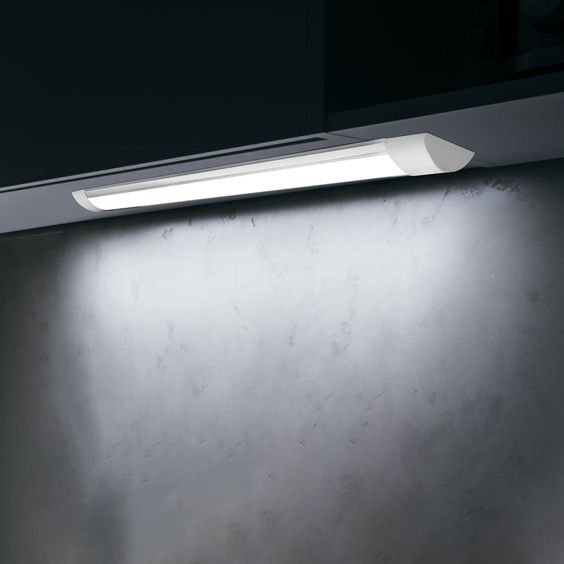
lights are slim, delicate fixtures that produce bright illumination while using little energy. Unlike traditional lighting solutions, lights have integrated LED bulbs that are noted for their durability and energy economy. Before we get into the installation method, let’s look at why LED batten lights are a great choice for your area.
Need tips on how to choose the right LED batten?
Here’s the full guide
Benefits of LED Batten Lights
- Energy Efficiency: LED technology uses much less energy than older lighting solutions, allowing you to save money on electricity costs.
- Longevity: LED lights last longer than incandescent or fluorescent bulbs, minimizing the need for frequent replacements.
- Brightness and Uniformity: LED batten lights provide bright, consistent lighting, making them suitable for a variety of applications ranging from residential to commercial.
- Eco-Friendly: LED lighting emits less heat and contains no hazardous materials such as mercury, making it ecologically friendly.
Pre-Installation Preparations
Before you begin the installation process, it’s crucial to gather all the necessary materials and ensure safety precautions are in place.
Materials Needed
- LED batten lights
- Mounting brackets
- Screws and anchors
- Wire strippers
- Screwdriver
- Electrical tape
- Voltage tester
- Ladder
Safety First
- Turn off the power to the area where you’ll be working.
- Use appropriate safety gear, such as gloves and safety glasses, when handling electrical components.
Step-by-Step Installation Process
Follow these detailed steps to install LED:
Step 1: Select the location.
Determine where you want to place the lights. Consider the room’s layout, the required illumination coverage, and any barriers or obstructions to the installation procedure.
Step 2: Mark the mounting points.
Mark the placements for the LED batten lights using a pencil or marker. Use a level to confirm that the markings are straight and aligned properly.
Step 3: Install the mounting brackets.
If your LED has mounting brackets, use screws and anchors to connect them to the ceiling or wall. Make that the brackets are properly secured and leveled.
Step 4: Connect the Wiring.
To connect the wiring for the LED, carefully follow the instructions provided by the manufacturer. Typically, this entails removing the insulation from the wires, matching their colors, and fastening them with wire nuts or terminal blocks. Use electrical tape to protect any exposed wires and provide a secure connection.
Step 5: Mount the LED Batten Lights.
Once the wiring is in place, gently install the LED batten lights over the mounting brackets. Secure the lights to the brackets with the screws or clips provided by the manufacturer. Double-check that the lights are level and firmly fastened.
Step 6: Test the Lights
Once the LEDs are installed, restore power to the circuit and test the lights to ensure they’re functioning correctly. Use a voltage tester to verify that there’s power running to the lights and that they illuminate as expected.
Step 7: Make adjustments.
If required, make final modifications to the LED’s location or alignment. Once you are pleased with the installation, remove any dirt or packaging materials and enjoy your newly lighted room!
Expert Tips for Success
- Measure Twice, Install Once: Take accurate measurements and double-check all dimensions before drilling or cutting to avoid costly mistakes.
- Seek Professional Assistance: If you’re unsure about any aspect of the installation process or encounter unexpected challenges, don’t hesitate to seek assistance from a qualified electrician or contractor.
- Safety First: Always prioritize safety when working with electricity. Turn off power to the area, use proper safety equipment, and follow all recommended safety precautions to prevent accidents and injuries.
Conclusion
With these additional steps and expert tips, you can ensure a flawless installation of LED batten lights that enhance the functionality, efficiency, and aesthetics of your space. From proper ventilation to decorative accents, every detail contributes to a successful lighting project. Illuminate your surroundings with confidence and enjoy the benefits of LED technology for years to come!
-

Exploring 5 Types of LED Flood Lights to Brighten Your Environment
Introduction
Lighting plays a vital role in enhancing both the aesthetics and safety of our surroundings. LED flood lights have emerged as a popular choice for outdoor illumination due to their energy efficiency, durability, and versatility. In this detailed guide, we will explore various types of LED flood lights, their unique features, and applications, empowering you to make an informed decision when selecting the right lighting solution for your needs.
Exploring the Different Types of LED Flood Lights
LED flood lights are available in a range of types, each tailored to specific requirements and environments. Let’s delve into each type in detail:
1. Security Lights
Security lights are intended to offer lighting while deterring possible attackers in outdoor areas such as driveways, yards, and parking lots. These lights often have motion sensors that detect movement, causing the light to come on and notifying property owners of any activity.
Security lights improve safety and security for residential and business premises. They prevent intruders by flooding the area with bright light when motion is detected, warning inhabitants and neighbors of potential risks. Furthermore, the unexpected illumination may surprise intruders, causing them to depart the premises. Security lights frequently include changeable sensitivity and duration settings, allowing users to tailor their functioning to their own needs and the area.
2. Landscape Lights
Landscape lighting is intended to highlight outdoor features including trees, bushes, paths, and architectural aspects. These lights provide depth, texture, and atmosphere in outdoor locations, converting them into visually attractive surroundings.
Landscape lighting serves both aesthetic and utilitarian objectives, adding beauty to outdoor landscapes while also giving direction and safety. By carefully putting landscape lights along paths, garden borders, and focal points, homeowners can create a visually pleasing and well-lit outdoor space that can be enjoyed both day and night. Furthermore, landscape lighting may emphasize architectural elements like facades, columns, and sculptures, giving drama and interest to the overall landscape design.
3. Motion Sensor Lights
Motion sensor lights are fitted with sensors that detect movement within their range and switch on automatically in response. These lights are perfect for locations that do not require consistent illumination, such as driveways, entrances, and backyards.
Motion sensor lights provide convenience, energy savings, and increased security by turning on only when motion is detected. These lights are especially beneficial in locations with intermittent foot activity, such as driveways and entryways, where constant illumination may not be practicable or essential. Motion sensor lights allow homeowners to discourage burglars, conserve energy, and have peace of mind knowing that their property is well-lit and safe.
4. Solar-powered lights
Solar-powered lights use sunshine to create electricity, making them an environmentally responsible and cost-effective lighting option for outdoor areas. These lights are perfect for areas without access to conventional power sources or where energy conservation is a top issue.
Solar-powered lights employ photovoltaic cells to turn sunlight into electricity, which is stored in rechargeable batteries for subsequent use. During the day, the solar panels capture and convert sunlight into energy, which is then utilized to power the LED lamps at night. Solar-powered lights are simple to install and need little maintenance, making them an appealing choice for homeowners trying to decrease their carbon footprint and energy expenditures. Furthermore, solar-powered lights are flexible and may be installed in numerous areas, providing lighting wherever needed without the need for wiring or electricity.
5. Commercial Grade Flood Lights
Commercial-grade flood lights are heavy-duty fixtures designed for high-performance lighting applications in large outdoor areas such as stadiums, parking lots, and industrial facilities. These lights provide powerful illumination, durability, and reliability, making them ideal for demanding environments.
Commercial-grade flood lights are engineered to meet the rigorous requirements of commercial and industrial settings, where visibility, safety, and reliability are paramount. These fixtures feature robust construction, high-quality components, and advanced optics to deliver bright, uniform illumination over large areas. Commercial-grade flood lights are commonly used in stadiums, arenas, warehouses, and construction sites, where they provide essential lighting for operations, security, and public safety. With its rugged design and superior performance, commercial-grade flood lights are a trusted lighting solution for challenging outdoor environments.
Conclusion
In conclusion, LED flood lights offer a versatile, energy-efficient, and sustainable lighting solution for a wide range of outdoor applications.
By exploring the different types of LED flood lights available and understanding their unique features and benefits, you can select the right lighting solution to enhance your outdoor space.
Whether you’re looking to improve security, create ambiance, or illuminate large outdoor areas, LED flood lights provide reliable performance and exceptional value.
Illuminate your space with confidence and efficiency using LED flood lights, and enjoy the countless benefits of modern lighting technology from DIY WHOLESALE